love and theft
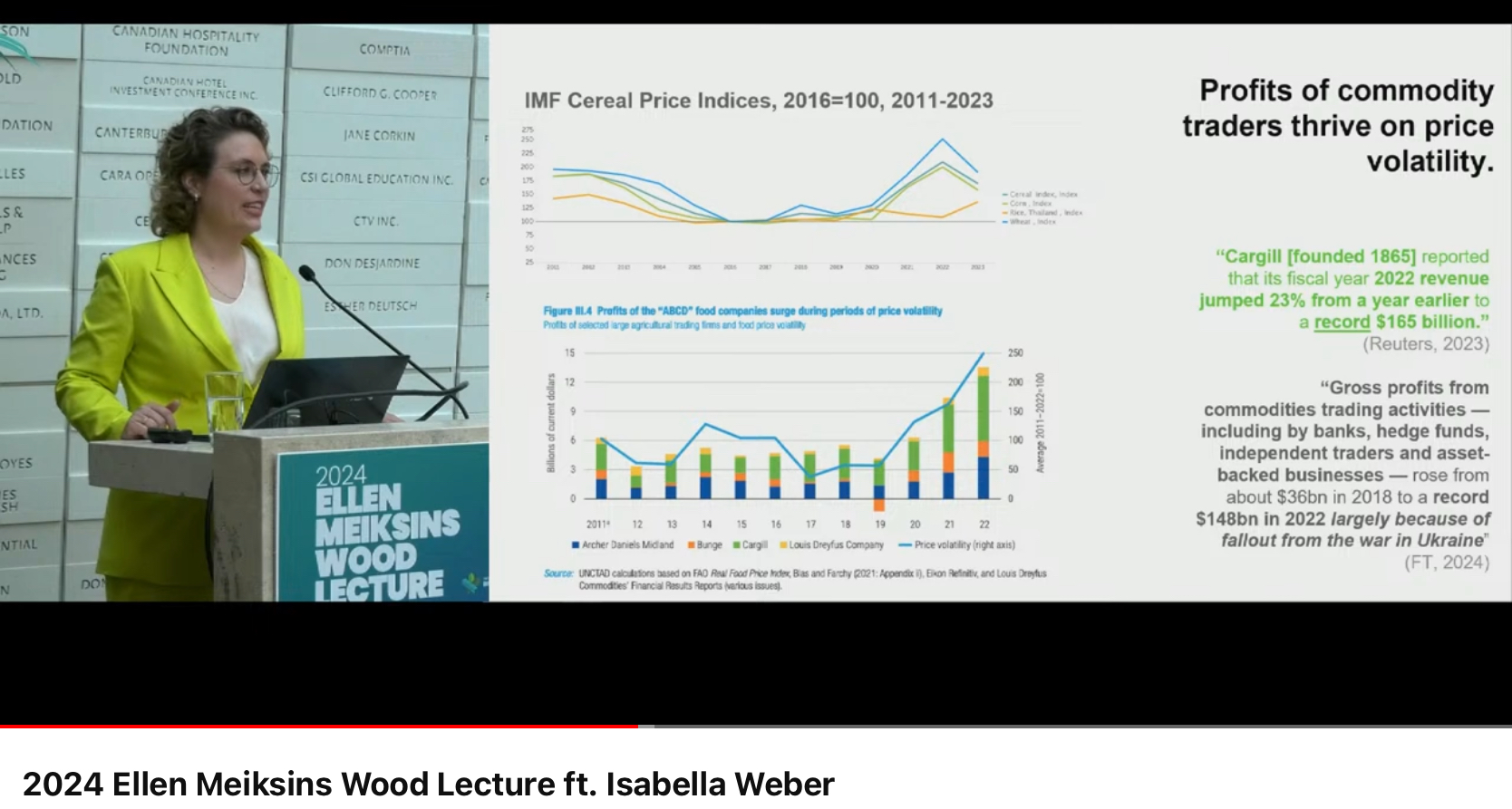
e e e e e e e e e e e e e e e e e e e e hello good evening I'll just uh wait for a couple of people I see and I won't name names who need to find their seats we're going to be starting very very shortly so good evening and welcome uh to this packed room uh we are sold out and thank you for everyone who's joining us uh via live stream my name is Jen Hassam and I'm the executive director of the Broadbent Institute and uh where we'd like to begin this evening is by acknowledging that we gather tonight in Toronto um where uh it is is in the dish with one spoon territory and the dish with one spoon is a treaty between the anishnabe missas and honi that bound them to share the territory and protect the land and subsequent indigenous Nations and peoples Europeans and all newcomers have been invited into this treaty um in the spirit of peace friendship and respect uh the event and uh the Broadband Institute itself are on land that is traditional territory of many Nations and um territorial acknowledgements are about starting the event off in a good way or in the right way and um it would be phony of me uh someone who got their start on the left in uh the anti-war peace movement uh if I didn't also make mention of the horrific war in the Middle East um and let that silence linger over the event and so this is a big event a diverse room and I know that there's very real fear and pain and grief grief uh that people are seeing from seeing unspeakable Horrors over social media um and in Canada we're seeing vile anti-Semitism islamophobia and anti-palestinian racism is on the rise and it's completely unacceptable so know that everyone in here in good faith condemns the Hamas heinous torture and killing of innocent civilians on October 7th and that Palestinian people who have been living under very difficult uh conditions under occupation for decades should not have to pay for the escalation with their lives or their children's lives so in addition to our government's call for an immediate ceasefire the hostages um release of the hostages uh for humanitarian Aid immediately into Gaza um we ought to support the UN ITC uh itu World Health Organization and the hundreds and hundreds of Civic organizations all across Canada and the world uh in calling for a ceasefire um and uh and and to stop the killing so um thank you and and one of the great pleasures of working with Ed Broadbent an internationalist is to know that um and be constantly reminded that yes in the world there are these periods of Crisis and these these periods of change but intrinsic to our humanity is the capacity to do good by finding common cause and and to find and build off of ideas from one another and so that's why tonight we're doing something really special we're celebrating the legacy of a Canadian intellectual giant Professor Ellen mixon's Wood with the 2024 prize and lecture in her honor this prize and lecture series were established by our dear friend Ed Broadbent um several years ago in recognition of of his partner's distinguished career in history and political thought and uh it has gone on to influence much of our work at the Broadband Institute awardees of the prize are ch uh for work that is emblematic of Ellen's two core beliefs first that democracy is something that is always always fought for from below and the second that the egalitarian values of democracy are continually and consistently at odds and in conflict with the unequal outcomes of capitalism so the prize Awards uh is $10,000 and the opportunity for the recipient to share their transformative of ideas widely to help Canadians understand what is to be done in when we want to think about building a good Society we're proud to be partnering with tm's faculty of Arts in delivering this lecture and it's such a beautiful space that we're all in and that we're sharing um we'll be hearing shortly from uh tm's interm Dean Amy Pang who will introduce our special guest and uh we extend our gratitude to tmu for hosting uh this lecture in their space and I would also like to acknowledge our special guests uh including Brian top the chair of the Broadband Institute uh board of directors and so many of our country's leading Progressive economists who are at tmu for the Canadian economics Association um so such as the BR institute's own Rob gillo Jim Stanford Angela McKuen Kaye T Sheila block and of course our me yian last year's wood prize winner and uh also the with us tonight is the affordability critic for the Ontario NDP batilla caroe so thank you so much for joining us this evening and folks this is the first um wood lecture without our dear friend Ed and um he looked forward to the lecture as an opportunity to bring the very best ideas uh from either organizing spaces or inside the confines of uh the Academy's Ivory Tower and to bring them out into the world for ordinary Canadians to consider so we're so grateful for the live streaming uh for everyone who's helping with our av tonight um because Ed had this firm belief that uh Democratic Society and Country should give its citizens more than just uh political freedoms but also civil freedoms and the freedom of thought as he wrote uh seeking social democracy a Democratic Society is much more than just a political machine it should also be something that is fair economically and socially is just so it is for her work and research that help to defend the working class against policy choices of austerity that Dr Isabella vber has been awarded the 2024 Ellen mixon's Wood prize and it's a great privilege for us to hear her deliver her important lecture this evening uh from going against the grain at the height of the pandemic and being derided by nobel-winning economists who um you know were challenging her empirically sound observations Isabella has been proven Right Time and Time Again by the data on economic price inflation and the policy prescriptions that might have actually worked uh at the center of the policy ideas behind sellers inflation is the livelihoods of working people and we do we want to put out uh the fire by flooding the room and doing nothing as uh Orthodox Economist propose or do we want to use the fire extinguisher that is the right type for this kind of fire and that is what Dr vber has proposed and we will see her analysis play out uh in in everyday affordability issues from the wave of grocery worker strikes to the L Blas boycott uh to the price of gas or the price of our phone bills here in Canada we have experienced how profit margins have been maintained at the expense of ordinary Canadians when people have been given the opportunity to raise prices we'll hear more shortly so I'm not going to give away anything uh followed by a Q&A uh by uh that will be moderated by my Broadband Institute colleague uh the director of policy Clement noos and so before we get started with all of this I'd like to invite uh tm's interm deem of Art Amy Pang to the stage uh to welcome you to the university and to introduce our lecture and Prize winner thank you well good evening everybody I'm um inm Dean uh Dr Amy Pang um I'm very excited to celebrate another year collaboration between the Broadband Institute and the faculty of art at tmu as economists as well I'm honored to be part of this year's Alan mwood lecture and to recognize today's lecturer Dr Isabella weer who I will formally introduce shortly well this event is to honor the late Alam mky wood political theorist and friend of the Broadband Institute so Alan's work in De dissecting the conflict between capitalism and democracy is what led her to become one of the leading Marxist historian and in the theories of our time her lasting impact will continue to inspire activists and theorist for generations to come so with that I'd like to introduce today's lecturer Dr Isabella Isabella wber who is recipients of the 20124 uh alen mkin wood prize for her critical research on economic shocks and inflation that equip Canadian progressives with alternative that push back against the anti- democ Democrat uh democ ratic policy choice and help to empower workers Isabella waer has become the leading voice on policy responses to inflation and has advised policy makers in the United States and Germany on questions of price stabilization for her public policy work she has been profiled in the New Yorker recognized as one of the time magazines 100 next Bloomberg's 50s ones to watch Germany's 100 women of 2022 and the capital 40 under 40 Isabella's first book how China escaped shock therapy the market reform debate is the winner of the uh Joan Robinson's prize the in international studies associate best inter disciplinary book award well as an economist myself and also actually grew up in China in the 80s I found her book is intriguing and enlightening it tackles economic stories leading up to the 19989 Democracy movement and provided much needed economic perspective so not surprisingly the book has been recommended on the best book of 2021 listed by the financial times foreign policy uh Pro uh project sanc uh pro market just name a few Dr waver is on the editorial board uh Boards of the Journal of kingan's Economics the review of political economy and the own Advisory Board of environment and planning a and a member of the program Committee of the international economic Association World Congress previously she was a 10-year lecturer at go Smith University of London as has been the Principal investigator of the esrc funded rebuilding microeconomic project would drive specialization a centry of of global expert pattern Isabella holds PhD economics from The New School of Social research in New York and a PhD in development studies from the University of Cambridge and it was a visiting researcher at singai University where my dad actually graduated from German born she studied the Free University of Berlin and ping University for her ba and now she can probably add the 2024 for Alan mixon's wood prize to her list of achievements so without further Ado welcome Isabella I'm looking forward to hear you lecture wow thank you so much um what an incredibly warm welcome thanks so much to the Broadband Institute for this this price thanks so much to the Broadband family I guess and to at Broadband personally whom I heard was still involved in the decision making which is truly moving thanks also for to tmu for hosting um uh hosting this tonight and um for for welcoming me with with with such warm words um just listening to you right now what really moved me was the sentence this equipped Canadian progressives with doing something different and I would never have imagined that my academic work would be able to do that but it's absolutely thrilling to find that this is the case and even the day today having exchanges with a number of progressive um Canadian economists from unions and think tanks has been absolutely thrilling and to see that ideas can actually travel in that way when they are being picked up and when they um happen to break through at the right right moment even though under pretty atrocious um circumstances to begin with um when I wrote this Guardian article in December 2021 I was pretty depressed with how the inflation debate was going there were basically two camps one Camp was the we should have imposed austerity the day before yesterday Camp um so basically saying we need to push down the wages of working people um who are already in the middle of a cost of living crisis and by the way are the ones who are carrying the brunt of the burden of inflation so we should push them down even more and in the course of doing that push down the whole econom sacrifice growth sacrifice the prospects for investment the Investments that we so urgently need for the transition that we can no longer wait for on the other side were those economists that were arguing well inflation at the end of the the day is just transitory so don't worry too much these are just a bunch of shocks to some sectors eventually the shocks will seed and we will come back to the steady Waters that we sailed out of which I found also an utterly frustrating response to this um uh inflation especially looking at what kind of prices were exploding the prices that were exploding were the prices of Essentials the prices of things that people cannot do without the prices of food the prices of energy the prices of Transportation the prices of houses and housing and utilities I happen to come from a family where we had where we were living on a budget I remember how my mom would watch the advertisements from supermarkets and try to figure out how she could buy the best food for so that we could be well fed that we could be healthily fed despite being on a budget if you tell a family like that this is in transitory in 2 three years the storm will be gone it's hypocritical it's it's it's unbearable it's an unbearable message to send from someone who is sitting in front of a full fridge probably in a fancy apartment in New York or in some pleasant place of the world um making hundreds of thousands of dollars um a year and going to the grocery store without even noticing how much they are paying so I felt it was necessary to intervene I also felt it was necessary to intervene based on the historical research that I had done on inflation since my message was there is an alternative neoliberalism has told us there is no alternative Tina but at the end of the day Tia is what rules there is an alternative if we are trying it is possible and I think actually that this um historical research this attempt of trying to understand the evolution of Economics the evolution of um the economy the evolution of political Dynamics in historical time and in its historical complexity is where my work is linked to that of um alen mikin wood and that's why I'm absolutely thrilled to be awarded with a prize in her name thank you so much I also think that my work connects with her on the context on on one of her Core Concepts which is the concept of Market depend dependence at the end of the day what we have been experiencing in terms of inflation that in many ways centered on the prices of Essentials put the market dependence of people into the front four into the focus the market dependence for the essentials that you cannot do without is through which we experienced inflation and on that theme I want to start my formal presentation um which I don't know if you can see now yes you can it's very small so I will have to do an extra great job in explaining my um charts which is my ambition anyway so the title of this lecture is profits inflation and survival in an age of emergencies why we need a new paradigm I decided to not make this lecture about settling scores not make this lecture about who won the inflation debate but make this lecture about what are we learning from this ation debate when we look forward and I would argue that in the worst case scenario what we have seen in the last couple of years has been a dress rehearsal for what is to come so therefore I want to start this lecture um with the with by acknowledging that I think we are living in an age of emergencies these are just some pictures I probably should have included a picture of Gaza um and I feel a bit embarrassed that I didn't um but if we look at what is happening in Gaza then the form of War Warfare that we are experienced there is the weaponization of Essentials right it's it's cutting people off of the absolute necessities of life but um even in more fortunate places like um Toronto um we are living in a world of overlapping emergencies we can be pretty sure that even in these comfortable places there will be more Supply shocks to come we do not know when they are going to H we also do not know where they are going to head but we do know that they are already in the pipeline if if we look at what is happening with climate change if we look at what is happening with the disintegration of the global um political order and the consequences of this for the stability of production networks and the flow of goods and services around the globe I think we can be pretty certain that there will be more shocks we can be also certain that some shocks matter much more than others and the shocks that matter are the shocks that hit the essentials that hit the things that people or the economy cannot do without I would argue that there's no hope for resilience when the firms that control Essentials reap record profits from disasters and that is exactly what we have seen all the talk about resilience is cheap talk if the incredibly capable incredibly powerful incredibly well organized Global gigantic firms that often have have more capacity than whole countries that organize the essentials profit of of disasters and I want to give some examples of what I mean by that let's look at the example of shipping we probably all remember the news about the um traffic Champs in front of um ports so for example this is a picture of the port of LA which is one of the most important ports for the United States the United States is of course an incredibly import dependent country for a lot of goods and services so this is a true joke point in the quite literal sense of the word right um on the bottom left is a picture of the Panama Canal in 2023 a drought has led to water levels that were so low that the traffic that could throw flow through the Panama Canal was drastically reduced on the bottom right hand side is a map um that shows you how much further a ship has to travel if it can no longer pass the sus Canal which is of course a situ that we are facing right as we speak um with the houti attacks and the war in the Middle East on the top right hand side you see a chart of containerized fright index of of the containerized world fright index um I've been joking earlier that I'm actually following this index and I'm not expecting anyone else to do but I think it's quite remarkable when you actually look at that index because you see that it's been basically flat right the first part of the index is completely boring it's basically flat and then you see something that looks literally like a tsunami right I mean you don't even need to see the exact numbers just just look at the look at the line right you see basically a a total tsunami that takes off in 2021 and peaks in 2022 which is the time when we were talking about all the supply chain issues day in and day out and these supply chain issues in many ways were linked to um to shipping right and then you see at the end of the chart this picking up again which happens exactly in late 20 23 when the war in the Middle East started to escalate and in recent weeks um when when when the situation um uh uh the safety of Passage um further deteriorated okay so this is one part of the story and if we look at um what the flip side of this explosion of um fright rates is then it is an explosion of profits which is pretty unsurprising because the cost structure might have changed a little bit it might have become a little bit more expensive because they have to wait and they some slack and whatever but cost did not explode they might have picked up where prices exploded so the reside of that where profits is the difference between prices and cost is a profit explosion which you see on the bottom chart here as a recent working paper of the IMF points out um so this is not you don't have to trust some unreal weird economists you can just read IMF working papers and you can read literally we find that spikes in the bdii which is one of these and pright interest index indices are followed by sizable and statistically significant increases in import prices PPI headline and core inflation as well as inflation expectations the impact is similar in magnitude but more persistent than for shocks to Global oil and food prices okay here we go in other words these enormous price explosions have systemic implications for monetary stability Way Beyond um the prices in this one sector if you look at who is actually running the shipping sector then it's a handful of company it's literally eight carrier groups that um share that that have a share of more than 80% of the global Fleet um and these companies unsurprising if we look at the profits in the sector recorded um the best um Financial returns in the history so to just give some examples here mask a company founded in 1904 so we are look talking about a pretty long history of more than 100 years here um had the best financial results in its history in 2022 showing a net profit of 29.3 billion US the privately held Mediterranean Shipping Company MSC achieved an astounding annual net profit of $ 36.3 billion in 2022 and in 2024 CMA cjm had been France's most profitable company overtaking the likes of total total energy um and lvmh with an annual net profit of 24.8 billion now probably most of you don't have a very clear idea of what around $30 billion are but that is like probably like about twice the GDP of a country like madasa or so right so this is like this is very very big money if we take another Central sector namely grain um we have a situation where again the grain price is on the top you have um the serial index of the IMF then you have corn prices in in green rice prices in in yellow rice PR prices move quite differently for various reasons wheat prices in in in blue um and you can see that they exploded in 2021 to 202 um2 and you can see on the bottom chart um how the five companies that um control 70 to 90% of global grain trade the so-called ABCD which stands for the letters of the names of these companies um saw their profits increase very dramatically not just with price increases but also with an increase in price volatility so in other words these are gigantic companies that have several hundreds of companies inside them that manage storage shipping information about agricultural Yeats have even Shadow Banks within them so they end up even betting on on their own business in in the future markets um how these companies thrive on volatility of course Farmers don't thrive on volatility final consumers don't thrive on on volatility but these gigantic companies do um so Cargill for example founded in 1865 reported that its fiscal year 2022 revenue chumped 23% from a year earlier to a record 165 billion US dollar so since 1865 this company that has been controlling large parts of the global grain trade for a pretty long while has never raped profits of the kind of profits that we have seen in 2022 and the list basically goes on and this is not just about cargle this is generally about um about commodity trading so here is the Ft saying gross profits from Commodities trading activities including by Banks hatch funds independent Traders and asset back businesses that have increasingly moved into commodity trading Rose from about 36 billion in 2018 to a record 148 billion in 2022 largely because of the Fallout from the war in Ukraine now you can notice that of course kaga's business is not just commodity trading otherwise these numbers wouldn't add up but the point is that in commodity trading as a whole you have seen absolute record profits and you have seen an increased financialization of this sector which means that these people thrive of the the volatility in this market of Essentials the flip side of this is not just inflation if we are worried about food price inflation in countries as rich as Canada and the United States we are talking hunger in the rest of the world on the top left him uh you have a chart of globally unnourished um of the globally unnourished population based on estimates of the IMF and you can see that in 2005 there were um around um 800 um uh uh millions of um people around the world that were undernourished and this is probably a relatively conservative estimate um and this number in 2022 climbed to almost 900 um uh million in other words all the progress um of eradicating hunger in the last 20 years has been erased in the span of just one year as the flip side of this price explosion in an essential like grain so when I'm talking about survival you might call me dramatic you might call me exaggerated you might call me an unreal Economist standing in front of you in a bright yellow suit that seems a little bit unserious um but I am actually pretty serious about this because what I'm saying is that as long as these Essentials are managing in the ways in which they are essential right managed right now it is literally the survival of people at stake when we are dealing with major shocks on the bottom left hand side you can see food insecurity in the United States and you can see that in 2022 even in a rich country like the United States food insecurity picked up with inflation one last essential and then I stop boring you with this but I think it's important and you will also have noticed that this is all totally unsophisticated I'm just showing you screenshots from databases that you can Google and that you can find online and I'm doing it in this totally unsophisticated way quite consciously because I want to show that this is in plain sight this is not something where you need to dig into fancy data that no one can find this is not something that is Out Of Reach for quote unquote Ordinary People this is something that is literally headline news where you just have to piece together the pieces and you have to ask the questions that are actually pretty obvious and dare to ask them and look for the information and don't feel embarrassed for not being sophisticated by running fancy regressions um so on the top um you see charts um for for the prices and in uh C crude oil in blue coal um in in green and natural gas in yellow and of course there has also been a major price explosion in 2022 at these prices and on the bottom you can see the record profits of the world's largest oil companies Shel BP total energy Jevron Exxon and equinor now part of this um was of course a windfall from the war part of it was also that in 2020 the oil the demand for for fossil fuels collapsed in a way in which it had never really collapsed um ever right so for the first time oil prices went negative as you might remember so in other words this negative demand shock that happened as we were all hunkering down during covid um resulted in a situation where you basically had a coordinated reduction in production right something that we have all been dreaming about in terms of fighting climate change and that was not possible that happened now right so and this is also something that would not have been possible if any one firm would have said oh Chevron says oh I'm now going to pump a little less oil then exen would have said oh wonderful thank you very much I'm now going to pump a little more oil and take your market share thank you very much right so this what not have happened but we had this coordination effect through the negative demand shock now when demand picked back up in 2021 the oil firms were in no rush to increase production and surprisingly because what they found was that costs were down which capacity had they shut down well they had shut down the highest cost capacity right if you have to call the shots you're going to shut down the highest cost capacity so when demand picked back up prices went up um costs were down they were finding themselves with record margins or in the words of the um of the chief executive of um of EX and mobile Darren Woods in the second quarter earning call of 2022 we have created this hole with a lot more capacity coming offline without a whole lot of new capacity that capacity is not coming on so we've got this Gap demand recovers and we don't have the capacity to meet that because we have created that hall right um which has led to a record record high refining margins so this is not me spreading conspiracy theories this is what corporate earnings calls tell us when we read them this is what people are saying on record to their investors in fact in recent weeks um the FDC has picked up on that um and is now um looking into a possible collusion with OPC around fixing prices in 2020 around the the the actual reduction in production and the house Democrats have started investigating whether Big Oil colluded um with o OPEC to inflate gas prices in 2020 but even without these investigations this has been basically in plain sight um from the earnings calls okay more moving from Essentials you probably um expected a lecture about inflation you're like why is he talking about um these specific firms in global hunger um so moving from Essentials um to inflation I'm puing you even more by showing you a picture of a um coin powered horse um and I would argue that the pre pandemic way of thinking about inflation was basically similar to the workings of this coin powered horse okay I think one key feature of this this horse is that it's onedimensional right it's going back and forth like this another key feature is that we can know exactly by how much it is going to the front and how much it's going to the back and what the mechanism is that holds the movement of this horse within this precise bandwidth right so we are in a one-dimensional word we know exactly what the variabl is that we need to manipulate to keep things within the desired band which is kind of what monetary policy um was supposed to be right it was supposed to keep the interest rate on target with basically one lever assuming that inflation originated on the macroeconomic level as that as such being basically from macroeconomic in origin to microeconomic in outcome as such basically onedimensional um and as such could also be controlled with this one level I think this way of thinking about inflation unfortunately was slightly under complex and of course my portr was also under complex to be fair but I think it basically failed Us in the context of the pandemic so um in fact what underpinned this understanding was still the spirit of men Freedman as he for example expressed in 1974 where he was saying um responding to people that pointed to the prices of oil and food as D of in inflation what of oil and food to which every government official has pointed are they not the obvious immediate cause of the price explosion not at all remember in the 1970s we of course also had a major oil price chock and we had a major food price explosion it is essential to distinguish changes in relative prices from changes in absolute prices the special conditions that drove up the prices of oil and food required purchasers to spend more on them leaving less to spend on other items did that not force other prices to go down or to rise less rapidly than otherwise why should the average level of all prices be affected significantly By changes in the prices of some things relative to others one thing that I want to note since in the introduction it was pointed out that we need an explanation of infl inflation that people can actually understand is the implicit attack here on ordinary people's understanding of inflation right so this second you just don't get it you look at oil and food but sorry you just don't get it you need an economist in the room to explain to you it's kind of the implicit undertone here right um I would argue that this has already been replaced with a new kind of um common sense in the last year year and a half where we now I think have already a number of um papers by various established very mainstream if you want to look that use this language economists that show that Supply shocks and bottl necks mattered for the return of inflation so in other words changes in relative prices were absolutely essential for the return of inflation but what we do not have a good sense of is that if we are living in such a world of emergencies if we are living in a world where more shocks are going to come what are the shocks that we should be worried about like what if we look back to the financial crisis um uh and what we did after the financial crisis where we started to run stress tests on banks right so if we want to run stress tests on our economy today what are the sectors what are the prices that present points of vulnerability for monetary stability speaking with a German accent I feel I can make this rather moreit comparison which is uh um uh input output modeling um was first um applied during World War II in strategic bombing when they were asking the question what are the Targets in the enemy's economy that are the points of vulnerability that when we head these points um it will basically create a blast to the enemy's economy that is disproportionate to the Damage Done locally for that they use network analysis to identify these neuralgic points so what we have been doing in our research is to try to identify what are these points of vulnerability if we look at inflation and we have been running um simulations and I'll illustrate this based on the next chart um I'm pretty sure that no one can read these charts and that is a exactly intended so these are three charts as you can see I hope you can also see that it's bar charts right um each of these bars represents a sector um and each of these um charts sorry each of these bars has two colors yellow and purple um and what we have done is we have shocked each of the sector in this input output network with a price increase so we have simulated what happens if price increase in that sector by a certain amount and then we have done this for the next sector and the next sector and the next sector through this we get a direct effect because the price of food goes up therefore inflation goes up because the price in the CPI goes up right and we get an indirect effect because the input prices for restaurants go up and hence an indirect effect occures um on the left hand side we have used price changes based on the price volatility before the pandemic in the middle we have used the actual price increases in the fourth quarter of 2021 so just at the time when we were moving out of the shutdowns and on the right hand side we have used um the price increase in the second quarter of 2022 so just at the onset of the Ukraine war and what we can all of this is for the United States and what we can see is that the prices of some sectors matter much more than the prices of others there's nothing inher and in the way in which we have modeled this that would would have given us the shape of these um of these bar charts but we can see that there's a handful of sectors that have a very large inflation impact and all the other um sectors don't matter as much if we zoom in to look at what these sectors actually are we find that they are petroleum and coal products oil and gas extraction Farms food and beverage and tobacco products chemical products housing utilities and wholesale trade now this is using the precrisis price volatility now you'll have noticed that I've skipped over the Federal Reserve um of course I'm not of the opinion that the Federal Reserve is not systemically significant in other words I am absolutely of the opinion that the Federal Reserve is systemically significant in fact I would argue that currently we have an inflation fighting regime that relies on manipulating the price of only one systemically significant sector namely money in other words we try to manage the whole inflation Problem by focusing on only um the interest rate only the price of money whereas I would argue that there's a range of other systemically significant prices that we should also be paying attention to if we want to um uh uh achieve greater price stability which I think is important and I'm happy to comment on this in the Q&A if we do the same exercise for um the fourth quarter of 2021 and the second quarter of 2022 we basically get the exact same sectors um that I named before with some with one exception here which is truck transportation which was this whole trucker shortage in the United States that that rendered this sector um uh uh having a higher inflation impact if we ask ourselves what are the pathways to systemic significance in this kind of framework it's basically three dimensions the first one is the bait in the CPI the weight in the consumption basket or to put this into more common language the importance of a good to people's consumption and livelihoods the second dimension is the forward linkages um which we have here on the on the horizontal axis um or in other words the importance of a sector to the production of all other sectors and the third dimension is price volatility or in other words the tendency of prices to move since not all prices move by the same amount because they all have different markets different dimensions different Dynamics if we think about this more intuitively this is basically saying that the essentials for inflation fall into three groups they are about um the essentials for human livelihoods Essentials for production and also essential for um circulation and commerce um such as wholesale trade so all the kind of commercial infrastructure that you need need to move stuff around um uh where I would think of shipping as well okay moving from this analysis of what are the sensitive points um to putting this together into an acttion analysis of inflation is what we did in the sellers inflation paper where we were arguing that there are three stages in the inflation process so coming out of a situation of stability we in this situation of quite overwhelming price stability we already had incredibly high levels of corporate concentration we already had incredibly high levels of Market power um we already had very gredy corporations if you want to use this morally loaded language which maybe we want for political reasons maybe we don't want for analytical reasons but in any case corporations were already profit seeking and gry before right but prices were very stable so what is it that happened that turned the situation of stability into a situation of instability and what we are arguing is that this has been set off by shocks to the essential sectors that we just identified but if you had just these shocks then you would have had the local price explosions and maybe we could have said oh it's transitory we can lean back and wait I still don't think think so because we're talking about essential and the price of Food Matters to people so much that saying we lean back in weight is not a great solution um but even but in any case what happened is that these local price shocks were turned into generalized inflation through a process of sellers inflation where firms that were confronted with these cost increases did not absorb these cost increases but responded to the cost shocks by pricing to protect their profit margins okay up to this point um we have a situation where the majority of people would have seen an erosion of their purchasing power right they are faced with um firms Protected Their margins but people have lost purchasing power So eventually people will fight back and will ask for higher wages at which point you can enter into some sort of a conflict inflation type of stage but the wage catch up here is a result of this inflation and not the origin of inflation this is the desperate attempt of working people to regain their living standards not the beginning not the origin not the thing that kicked off inflation to focus at the sors inflation stage um I think to understand this we have to emphasize that these cost trucks basically functioned as coordinating mechanisms for firms even in very highly concentrated firms even if you just have like let's say three firms that control a whole sector it's difficult for them to just start increasing prices without being sure that the other um firms are also increasing prices right if you just start increasing price let's say you are Honda and I am Toyota and Honda starts increasing prices then Toyota says oh thank you very much um I will take your market share because I am in command of one of the most uh efficient Global powerful production networks that has has ever existed in the car sector as are you my friend Honda but since you chose to increase prices you lost your market share and I could just ramp up my production pretty much overnight because I have all these different firms across the whole uh all these different plants across the whole planet that I can mobilize very quickly um so obviously this is totally stupid in this kind of situation no one is doing this this is why we see even in incredibly concentrated sectors firms keeping prices St stable in stable times but if there's a shock that sends a very clear signal to everybody in this sector that cost have gone up and now everybody's going to price to protect margins then this fear of another firm taking your market share is no longer there because the cost truck itself has coordinated the pricing Behavior if on top of this there's also a shortage let's say I'm still Toyota and you are Honda and let's say we both rely on computer chips and a computer chip shortage as I think has happened at some point in recent history um then this means that suddenly we both know of one another that we can only produce as many cars as we have computer chips right so all the competition over market share is gone because you have your market share Frozen by the number of computer chips that H you have I have my market share Frozen by the number of computer ships that I have and now we can actually start hiking prices and way as if we were each a monop list which means that we can actually hike prices in ways that increase profit margins um but I would argue that this temporary Monopoly story is an important story but it's not the general story The General story is the one of cost chocks and cost chocks coordinating price hikes which is why I am so worried about the overlapping emergencies which is why I have started this lecture with these shocks just to give you a little bit of flavor um from the earnings calls that we have been reading and I can I can encourage everybody to read earnings calls in fact I should I think that no one should gradate with a degree in economics without ever having read an earnings call because this is the best lesson you can get on how Corporate leaders are actually thinking about business strategy and how they are communicating this to the people that they want to convince to give them money right which is pretty high stakes um type of conversation for them so for example Pepsi talking about how they are going to deal with cost shocks how we are going to deal with pricing in the coming months I would say Obviously same as everybody else we are seeing inflation our business where they basically mean higher costs um across many of our raw ingredients some of our inputs we are working with our partners to make the right decisions in pricing to keep the consumers with us whilst we improve our margins now on the top of the chart you can see um in Orange the price increases and in blue the volume increases and you can see that even when volumes were declining prices were still increasing by a lot so in other words this is not a situation where demand is picking up people are asking for more and then they start increasing prices this is a situation where demand is actually going down volumes are going down and prices are going up you can also see on the bottom chart in R the profit margins and um uh and you can see that while they did pretty well they basically Protected Their margins rather than increase them so they were bouncing about increasing margins but what they achieved is basically margin protection another example is Proctor and Gamble where they are saying we are better positioned for dealing with an inflationary en environment than we have ever been before starting with a portfolio that is is focused on daily use categories Health hygiene and cleaning that are essential to the consumer versus discretionary categories which in these environments are the first ones to lose focus from the consumer so in other words this idea of focusing on Essentials on stuff we demand is very inelastic is part of the portfolio strategy of a company like Proctor and Gamble now if a firm protects its margins it by definition as a matter of accounting and this is here a chart from the ECB that I'm not encouraging you to read right now but just to say that this is basically a matter of basic accounting that if profit margins stay constant in response to increases in costs this means that profits go up this is like when you buy a cheap house and you pay pay 3% um agency fee um to your broker or you buy an expensive house and you pay 3% agency fee to your broker then one was a high cost the other was a low cost in one case the profits of the broker will be of course much larger than any the other but the percentage stays the same right this is the exact same mechanic why protecting margins Rel results in increased um um uh profits all of what I've shown you so far is very pedestrian we can now this is a forthcoming paper also do this in very fancy ways using Ai and whatever but um and I think this is cool and is really great but I also want to make the point that if you want to understand economic phenomena in real time you need to work with the data that you have and the earnings cost is one of the data points that you can use in your real time even if they are not as systematic as they are coming out and so on but again this goes back to the point of empowering quote unquote ordinary people to think about inflation this is the kind of data that everybody can read that is publicly available and that is coming out in time and then we can also do fancy stuff with it using Ai and constructing indices and whatever um on the of course it has also been a certain um demand side to this where um I would argue that prices are not just a point in a supply demand diagram but prices at the end of the day are social relationship between firms and and their customers and I would argue that firms in this pricing strategies very much manage this like a social relationship where they very much look at how much price can I take without disturbing the customers in ways that they don't want to ever come back to me because they feel I have cheated them right and if you watch television for example you see this um business group warns of catastrophic supply chain disruptions and you see these kind of news every time you turn on your TV which has been the case during the pandemic and you then go to the grocery store and you find that the stuff that you are buying is suddenly 20% more expensive than it used to be you go like oh yeah makes sense right obviously there have been all these massive disruptions the supply chain issues of course things are getting more expensive there's a shortage right so this legitimacy on the part of what customers are willing to pay I think is an important part of this equation and is what bloomy what what Tracy Alo at Bloomberg has been dubbing excuse flation of course not all firms benefited from this this is here on the top um the industry level and on the bottom The Firm level um chart of changes in in profit margins from in 2021 compared to 2017 and 19 and we can see that about 2third or so of the firms benefited and about onethird or so lost and there actually by now some papers that have come out that suggest that firms that had more Market power before all of this happened benefited more than firms that had less if we put together profit explosions in these essential sectors and Mar margin protection as a general Trend um across the economy then we get a margin increase right this is something positive close to zero plus something very positive ends up being something very positive right um and in fact this is here chart of um non Financial um corporate business margins in the United States from 1947 to 2021 to 2000 sorry to 2023 and you can see this like almost vertical line in from 2020 to 2021 and this was precisely the moment when I wrote The Guardian article because I was actually watching the profit margin news and I was seeing these margins explode and I was looking at the long chart and I saw that nothing like it had happened since the transition from World War II and I had studied the transition from World War II in my book how China escaped chock therapy and I had a whole chapter on that transition and and the challenge of inflation at the time and this is how I came to know that economists at this moment of transition last time around when we saw this kind of profit explosion were across the bank across all sorts of schools of thought arguing for a sectorally targeted kind of intervention and we're even arguing for Price controls only very very briefly if we come to the conflict stage um and we basically look at the distribution of inflation between profits and wages you can see here profits in Orange and labor the the wage share in in the GDP deflator the in in inflation in blue then you can see that the weight share increases when inflation is going down so it is true that in more recent quarters in the US Wes have been accounting for larger shares of inflation but at a time when inflation was going down and this is perfectly consistent with what we have been arguing from day one that eventually wages will have to catch up because people will not accept a permanent decline in living conditions to come to the conclusion I want to start by recapping by the old stabilization Paradigm I think fails the many monetary and fiscal austerity is meant to cool down the economy and push down wages by wage in um but wage increases are a consequence of sellers inflation and demand changed more in composition than in levels it's true that that there have been demand spikes in certain levels but it the the composition change was much larger than the level change and the idea of imposing austerity to push down the level preventing wage catch up cements the redistribution from the bottom to the top that sailor inflation brings about microeconomic tightening kicks in when inflation is already generalized at the third stage of this inflation process and comes at a high economic and I would like to add political cost we have by now many very thorough empirical studies that show the link between austerity and the rise of right-wing parties um and at a time where our democracies are as fragile as they haven't been in a long time I think we have to take this absolutely seriously um and we have to take the political consequences of fighting inflation with austerity um as one of of of the main concerns if if from a aggressive perspective in addition to all the economic reasons credit tightening also affects smaller firms much more than larger ons since larger firms have more are more credit worthy than smaller ones um and can in fact increase the corporate concentration um it can it also exacerbates the affordability crisis in housing one of the essential sectors that has been one of the drivers of inflation while generating yet another round of windfall profits for banks that have been very fast in passing on the interest rate increases to those people who wanted to have a mortgage and very slow in passing on the interest rate increase to those people who have savings accounts addressing climate change requires large scale Investments and popular support I think the popular support part often has been underestimated but it's absolutely critical both are undermined by austerity debt and exchange rate crisis in the global South are accepted in this Paradigm as colle Cal damage of this stabilization of rich countries so that's why I think we need a new paradigm um corporations in systemically significant sectors are too essential to fail just like banks have been too big to fail so we need to apply the exact same logic to essential sectors and that's in fact what I'm developing in my forthcoming book cost trucks and Supply constraints can limit competition and coordinate price hikes and thus increase ing profits in other words competition fails to control prices in these situations of emergencies when normal times it does control prices more shocks are coming in our times of overlapping emergencies if the worst of times for most people is the best of times for companies economic resilience is Out Of Reach we need an inflation fighting toolbox that buffers against Supply shocks in essential sectors prevents price explosions and contain sellers inflation while enabling a green transition some key instruments for such a toolbook box can be price monitoring in all early warning systems for Essentials so we should be paying attention since time is of the essence as I can tell you from the experience that I had in Germany during the energy crisis we need virtual and physical buffer stocks for Essentials ideally on different geographical levels of organization not only to stabilize prices but also to use them as strategic tools for public procurement in order to encourage a transformation we need emergency price caps to prevent price explosions in Essentials when we do not have instruments to adjust Supply and make Supply more resilient we need wi for profit taxes and price gouging legislation to prevent these price spikes from Rippling through the whole economy we need strict regulation def financialization antitrust and resilience and transformation standards for Essentials and of course we need public investments in resilience and transformation and transformation too at the end of the day is focus the big challenges how to transform the essentials thank you very much thank you very much I feel well equipped as a progressive to tackle these economic questions and uh this policy toolbx I box I I recommend everyone to look into more um we have a few minutes um but be I want to still steal the first question here regarding some of these instruments here in the policy toolbox uh you know we talk about windfall profit taxes emergency price caps um in Canada a lot of the conversation is about our highly concentrated uh grocery sector where retailer there's only like three grocery stores in the entire country that own uh most of uh the food retail in the country um how are these three things in particular supposed to help us with our affordability crisis today yeah thank you um I mean maybe to begin with I'm thinking of this as an inconclusive list and I'm thinking of this stage in the policym and the Paradigm shifting as an experimentalist stage where we need all minds and all experiences and all cards on Deck There's No One Magic Bullet that's going to solve this this is a very messy very complicated truly difficult kind of problem to solve so this just like kind of upfront um which I think is also part of the paradigm shift because the idea of ma managing this with just one tool interest rates is the idea that there is one Magic Bullet that can do it all right and I would say no there is we we there is no one Magic Bullet But to answer your question in a more straightforward way um if we take the food sector I would argue that if we had um a defend financialization and regulation of the very Upstream very large um uh uh companies that control the provisioning of food commodities then we could have probably reduce the price bike to some degree I'm not saying there wouldn't have been a price bike but I would say that these prices have overshot um if we had in addition a V for profits tax for um let's say not only the Upstream firms but also the Grocers and the um the food processes then we would be taking um some of the incentive to take advantage of this opportune moment and increase prices because we can off the table because you know okay you're going to increase prices but then large shares of this is going to be taxed away again if this is the situation then you might no longer be as sure whether your competitor is actually going to go for it right or not so that takes some some of this coordinating moment some of this incentive out of the equation um but I would also argue that at this stage um in the in the inflation um at this stage of the food price um inflation problem where we have not seen any of the things that I've been talking about um and we have a real affordability crisis and yes it's true that um in the rich in the most powerful country of the world um real vations actually have started to go up but the very high food prices are still a real problem for the bottom 20% that are spending about 30% of their income on food right so we have a food affordability crisis in in most rich countries in this kind of situation I would argue that we should take advantage of the incredibly highly concentrated nature of the grocery sector in most countries where these are not just highly concentrated but also tend to be dominated by domestic firms not purely but the grocery sector tends to be a relatively National Market compared to let's say commodity trading or food processing and I would argue that it is absolutely feasible to work with these four five six I think in Canada it's basically five companies that we are talking about um to define a basket of essential food items since these baskets already exist because food banks have to Define them every day and food banks are completely overwhelmed totally at the limit um not only I mean I could go into this at length because I had actually food banks reaching out to me and saying like oh we heard you on the radio and what you talking about is exactly what we are facing so food banks are no longer in a position to deal with this food bank affordab with this food affordability crisis they have not been set up to cater to um considerable shares of the population they have been set up set up to cater to people who for one reason or another somehow dropped out of the social system right they cannot deal with a mass problem it's it's not what they have been designed to do so therefore I think we should take the concept of a basket of Essentials work with the large powerful grocery stores that have store brands for which they control large parts of the supply chain so they know exactly what the cost structure structure is and oblig them to have a shelf in their supermarket that is a Shelf with Essentials with prices that are at level X in relationship to where they were in 2019 um this is I'm not saying this is easy but I think it's completely doable um it probably requires to put like maybe 30 people into one room and work this out um and then work on each product and and and have a clear um clear clearly defined um thing I think that in fact um some grocery stores could even use this as a marketing tool and could even compete over having the more attractive affordable shelf and would one could even give this some sort of a populist twist where it's say kind of uh I don't know Canada makes sure you can have your daily bread type of a um slogan on top of the shelf so it could even be made really attractive for politicians in power thank you um we can go to the audience for any questions and we have a ring mic here um start off the back there with the tuque um you sir uh in the Plaid yes hi uh thank you very much for your talk uh I wanted to know um it seems to me that the solution come from uh the political side uh when you talk about price monitoring uh how do you expect uh the committee of uh for Price monitoring the composition of that committee because if you have people our friend of big Corporation it won't change anything yeah I fully agree that this is an absolutely political question at the end of the day prices are political too right um and what I would argue um based on my personal experience I'm serving in an emergency committee trying to stabilize gas prices for the German government um that in the good corporatist spirit of our country was staffed with Business Leaders Union Representatives Civil Society representatives and academics I can tell you that the business representatives were much better prepared in being coordinated and being quick and having all the information at hand and so on because they had like every one of them 50 people working for them in the background where I was by myself with a PhD student that I had just met the day before right so um um in these moments of extreme shock I mean this is what Naomi Klein has been arguing for a long time for example right in these moments of extreme shock I would argue that the Civil Society unions like all the people that are on the Progressive side have an even harder time than in like kind of medium run campaigns where you can mobilize people where you can create momentum and so on that's why I would argue that an economic disaster preparedness that has a plan for how we are going to respond to these kind of shocks kind of under the veil of ignorance where we don't know yet what the shock is going to be and who exactly will benefit it from it in in in which way um uh uh is is from a political perspective still challenging but better than waiting um to the point when the shock is already there okay um I see in the back there that hand in the middle thank you it seems to me that you're making this argument for there being a secret third option right like you could do fiscal policy you could do monetary policy and now here's the third option where you sort of have policy related to the price of goods um your argument for that hinges on the those three charts that you had in part which tell us how the price of different things have relative impacts on inflation and on um I guess I think that's I'm a little bit confused there what is it that those relative prices uh or like those prices have a relatively High effect on do you think you could expand on that a little bit like the channels through which they why they are so important yeah exactly thank you sure sure um so basically um there are three channels where two channels are pretty Sim similar so let's just say there are two channels for Simplicity um Bond channel is I mean inflation at the end of the day is an index right um so in this index you have weights to every category that enters into this index that is based on the weights that these things have in people's consumption baskets right like um you spend more money on housing and food than you spend on haircuts and horseback riding lessons you might be spending no money at all at horseback riding lessons but let's say luxury Services right um so in this kind of situation one of the channels is stuff that has a very high weight in this index because it has such a high weight it means that this index will be moving strongly um with these things moving this is the technical explanation the intuitive explanation is to say um there are prices that matter much more to people because they're spending much larger shares of their incomes on these things um which means that if the these prices go up their incomes go down much more than if the prices of other things go up so therefore there will also be a larger pressure for them to catch up on wages so even through the wage Channel you will have a larger inflationary pressure if these kind of prices go up the second part of prices is prices that are more Upstream um and that are either critical for production or for the circulation of goods right I mean before you consume stuff it has to be shipped around like in all these comple complex production networks every knot in that production network is is linked by some sort of logistics right um and then there are inputs that are being produced that are important sorry there there are industries that produce inputs that are important for many many other um Industries right so when this is the case and the prices of this stuff that touch pretty much all other sectors as cost go up then their leverage over these other sectors is much much larger than the the the prices of sectors that are not so centrally located in relationship to to to all all other um uh sectors in the economy so therefore shipping is or wholesale trade are these kind of sectors that connect all these other sectors and energy or chemicals which is another sector that always shows up um are things that are just in pretty much everything right um so these are these like ubiquitous inputs and and they have this large lever over other prices and therefore are important for inflation okay I think we have time for two more questions and we'll go to the gentleman at the front here and then at the back thank you uh thank you is Isabella for the great presentation because I'm not an economist I'm just an average person and I did not get a migrant or crossy looking at the graphs and the bars uh I got a three-part question is uh very quick one is uh will you consider Universal basic income as part of your toolbox in fighting inflation uh number two uh when I was growing out in the Philippines as a kid the government created a food co-op a national food co-op uh called kadwa and the prices of basic Commodities like rice flour and sugar were heavily discounted so a lot of people did not really go hungry when they buy for the basic Commodities and third uh the new toolbox you're proposing I think it's Paramount that the government is really the one taking that political will and commitment to implement the new toolbox your proposing am I right uh thank you yeah thank you um I mean on Ubi um interestingly Milton Freedman also really liked Ubi right because it was a way to um get rid of all the things that the state does and just give people cash and then let the market do its magic and then we are done um this doesn't mean that I'm necessarily against Ubi but um if you say that people get a fixed cash transfer from the state um and at the same time you have massive inflation in essential stuff that people cannot do without then this cash transfer that they get um Can very quickly be devalued right and this was actually one of the big struggles that we had in the inflation debate where the question was should we be giving people just cash transfers or should we be doing something about prices um and what we found in Germany where the government in the first instance actually did cash transfers and then move to the gas price break policies is that people's perception of Economic Security um deteriorated dramatically why the cash transfers were happening and stabilized didn't recover but stabilized when the price breaks were happening because the price breaks were basically a guarantee to people that these Essentials that they need will be affordable enough in relationship to the income whereas the cash transfer gave you money but let the left the risk of these price exposion in Essentials with you right and that is actually exactly the intention in a Milton Freedman types interpretation of cash transfers or ubii because they want the full price signal to still be operational which can only function if you are carrying the whole risk of this price movement and I think that some I mean we can all take some degree of price fluctuations I'm not saying these prices need to be frozen but there is a degree of price increases in Essentials that people simply cannot um absorb so I don't think that um the the insurance function of a price stabilization is the same as the cash transfer function and that is not just in the perception of people this is not just in people's heads I think this is an actual material difference in terms of who is caring the risk of of of these prices moving in very volatile kind of ways um yes so on the national food co-op I mean most many countries used to have um uh um schemes that in one way or another um stabilized um the the prices of Essentials right um and on my mind actually and this is again something that I'm working on in my forthcoming book um neoliberalism was not just about more Market neoliberalism was about tearing down the buffers that were erected around Essentials and subjecting the essentials to the full force of markets in private property we had markets before right um it's not like we didn't have markets we were living in mixed economies the stuff that was protected tended to be the essential stuff rent control um uh Public Utilities public transportation um uh uh uh often also some some degree of um uh uh regulation around food prices or some degree of I mean depending on the country like in France they have a regulation around the price of baguette and in Egypt they have have had a fixed actually still have a fixed price for a certain type of very cheap bread like I mean like some essential that stands for the Daily Bread in your country being somehow regulated or stabilized even today in the European Union still 133% 1 three of prices are administered prices so for example the prices of Pharmaceutical are still often government mediated in one way or another um so um therefore this is not like kind of I'm not calling for revolution in a way I'm just saying like you know there are some prices that are so important for the economy for people's livelihoods that maybe we need to have a say and sorry uh just in the back there uh our last question for tonight oh uh yeah thank you uh Dr uh vber uh I was wondering what your thoughts would be on a policy experience from the 1970s uh incomes policy would that be a uh what are your thoughts on that being that particular tool being part of the uh your uh uh toolbox your new toolbox uh income's policy otherwise known as wage and price controls yeah thank you um I mean I think that the institutional requirements for incomes policies are relatively high so you need a pretty corporatist kind of structure you need a pretty high degree of unionization um and you need um a situation where the power of unions is such that the business associations are also willing to credibly enter into such packs around um uh uh price controls and and and and wage controls which certainly was the case in 1970s um in in many count in the 1970s um I would have argued that um in Germany it would have also been the case in 2022 um they did an incomes policy but there was a one-sided incomes policy where they asked the unions to please um engage in wage restraint and then gave people some cash transfers um instead instead of allowing unions to bargain for higher wages and then we saw the most dramatic decline in real wages since World War II as a result of this um so you can do income policies in all sorts of ways um if you do income policies I think you absolutely have to do them two-sided and you cannot just oblige unions you have to also oblige um companies um and possibly not only look at prices but even look at profits directly which um I think is in principle desirable I see it as institutionally even more um uh uh uh challenging than some of the things that I have put on the list here Isabella vber thank you for delivering tonight's Ellen mixon's word lecture I'd like to invite Jen Hassam and Amy Pang to the stage to present the 2024 Ellen mixon's Wood prize thank you so much thank you all for coming uh we have light Refreshments uh at the back of the room uh don't forget to uh pick up a copy of seeking social democracy uh seven years in the fight for equality by our very own Luke Savage and Jonathan sass where I saw him in the room there he is uh and Franc disable and Ed Rodin it's a great um it really is uh Ed's Legacy in this book uh we have it on sale in the back so go please pick that up and uh if you haven't already uh issue number one of perspective Journal which we have for uh guests uh but while supplies last so thank you very much uh and enjoy the rest of the evening [Applause] br />
0:28e
0:58e
1:28e
1:58e
2:28e
2:58e
3:28e
3:58e
4:28e
4:58e
5:28e
5:58e
6:28e
6:58e
7:28e
7:58e
8:28e
8:58e
9:28e
9:58e
10:28e
10:58e
11:28e
11:58e
12:28e
12:58e
13:28e
13:58e e
14:37hello good evening I'll just uh wait for a couple of people I see and I won't name names who need to find their
14:47seats we're going to be starting very very shortly
14:59so good evening and welcome uh to this packed room uh we are sold out and thank
15:06you for everyone who's joining us uh via live
15:15stream my name is Jen Hassam and I'm the executive director of the Broadbent Institute and uh where we'd like to
15:22begin this evening is by acknowledging that we gather tonight in Toronto um
15:27where uh it is is in the dish with one spoon territory and the dish with one spoon is a treaty between the anishnabe
15:35missas and honi that bound them to share the territory and protect the land and
15:41subsequent indigenous Nations and peoples Europeans and all newcomers have been invited into this treaty um in the
15:49spirit of peace friendship and respect uh the event and uh the Broadband
15:55Institute itself are on land that is traditional territory of many Nations
16:00and um territorial acknowledgements are about starting the event off in a good
16:05way or in the right way and um it would be phony of me uh someone who got their
16:11start on the left in uh the anti-war peace movement uh if I didn't also make
16:17mention of the horrific war in the Middle East um and let that silence linger over the event and so this is a
16:23big event a diverse room and I know that there's very real fear and pain and
16:28grief grief uh that people are seeing from seeing unspeakable Horrors over social media um and in Canada we're
16:36seeing vile anti-Semitism islamophobia and anti-palestinian racism is on the
16:41rise and it's completely unacceptable so know that everyone in here in good faith
16:46condemns the Hamas heinous torture and killing of innocent civilians on October 7th and that Palestinian people who have
16:53been living under very difficult uh conditions under occupation for decades should not have to pay for the
17:00escalation with their lives or their children's lives so in addition to our government's call for an immediate
17:06ceasefire the hostages um release of the hostages uh for humanitarian Aid
17:12immediately into Gaza um we ought to support the UN ITC uh itu World Health
17:18Organization and the hundreds and hundreds of Civic organizations all across Canada and the world uh in
17:24calling for a ceasefire um and uh and and to stop the killing so um thank you
17:31and and one of the great pleasures of working with Ed Broadbent an internationalist is to know that um and
17:38be constantly reminded that yes in the world there are these periods of Crisis and these these periods of change but
17:45intrinsic to our humanity is the capacity to do good by finding common cause and and to find and build off of
17:53ideas from one another and so that's why tonight we're doing something really special we're celebrating the legacy of
18:00a Canadian intellectual giant Professor Ellen mixon's Wood with the 2024 prize
18:07and lecture in her honor this prize and lecture series were established by our dear friend Ed
18:14Broadbent um several years ago in recognition of of his partner's distinguished career in history and
18:20political thought and uh it has gone on to influence much of our work at the Broadband Institute awardees of the
18:28prize are ch uh for work that is emblematic of Ellen's two core
18:33beliefs first that democracy is something that is always always fought
18:38for from below and the second that the egalitarian values of democracy are
18:44continually and consistently at odds and in conflict with the unequal outcomes of
18:51capitalism so the prize Awards uh is $10,000 and the opportunity for the
18:56recipient to share their transformative of ideas widely to help Canadians
19:01understand what is to be done in when we want to think about building a good Society we're proud to be partnering
19:07with tm's faculty of Arts in delivering this lecture and it's such a beautiful
19:13space that we're all in and that we're sharing um we'll be hearing shortly from uh tm's interm Dean Amy Pang who will
19:20introduce our special guest and uh we extend our gratitude to tmu for hosting
19:26uh this lecture in their space and I would also like to acknowledge our special guests uh including Brian top
19:33the chair of the Broadband Institute uh board of directors and so many of our country's leading Progressive economists
19:41who are at tmu for the Canadian economics Association um so such as the
19:47BR institute's own Rob gillo Jim Stanford Angela McKuen Kaye T Sheila
19:54block and of course our me yian last year's wood prize winner and uh also the
20:01with us tonight is the affordability critic for the Ontario NDP batilla caroe so thank you so much for joining us this
20:15evening and folks this is the first um wood lecture without our dear friend Ed
20:22and um he looked forward to the lecture as an opportunity to bring the very best ideas uh from either organizing spaces
20:30or inside the confines of uh the Academy's Ivory Tower and to bring them out into the world for ordinary
20:37Canadians to consider so we're so grateful for the live streaming uh for everyone who's helping with our av
20:43tonight um because Ed had this firm belief that uh Democratic Society and
20:48Country should give its citizens more than just uh political freedoms but also
20:54civil freedoms and the freedom of thought as he wrote uh seeking social
21:00democracy a Democratic Society is much more than just a political machine it
21:05should also be something that is fair economically and socially is just so it
21:12is for her work and research that help to defend the working class against policy choices of austerity that Dr
21:19Isabella vber has been awarded the 2024 Ellen mixon's Wood prize and it's a
21:25great privilege for us to hear her deliver her important lecture this evening uh from going against the grain at the
21:31height of the pandemic and being derided by nobel-winning economists who um you know were
21:38challenging her empirically sound observations Isabella has been proven Right Time and Time Again by the data on
21:46economic price inflation and the policy prescriptions that might have actually worked uh at the center of the policy
21:52ideas behind sellers inflation is the livelihoods of working people and we do
22:00we want to put out uh the fire by flooding the room and doing nothing as
22:05uh Orthodox Economist propose or do we want to use the fire extinguisher that
22:10is the right type for this kind of fire and that is what Dr vber has proposed
22:16and we will see her analysis play out uh in in everyday affordability issues from
22:22the wave of grocery worker strikes to the L Blas boycott uh to the price of gas or the price of our phone bills here
22:29in Canada we have experienced how profit margins have been maintained at the
22:35expense of ordinary Canadians when people have been given the opportunity to raise prices we'll hear more shortly
22:43so I'm not going to give away anything uh followed by a Q&A uh by uh that will
22:48be moderated by my Broadband Institute colleague uh the director of policy Clement noos and so before we get
22:54started with all of this I'd like to invite uh tm's interm deem of Art Amy Pang to the stage uh to welcome you to
23:01the university and to introduce our lecture and Prize
23:08winner thank you well good evening everybody I'm um
23:16inm Dean uh Dr Amy Pang um I'm very excited to celebrate another year
23:21collaboration between the Broadband Institute and the faculty of art at tmu
23:27as economists as well I'm honored to be part of this year's Alan mwood lecture
23:33and to recognize today's lecturer Dr Isabella weer who I will formally introduce shortly well this event is to
23:41honor the late Alam mky wood political theorist and friend of the Broadband
23:46Institute so Alan's work in De dissecting the conflict between
23:52capitalism and democracy is what led her to become one of the leading Marxist
23:57historian and in the theories of our time her lasting impact will continue to
24:02inspire activists and theorist for generations to come so with that I'd
24:08like to introduce today's lecturer Dr Isabella Isabella wber who is recipients
24:13of the 20124 uh alen mkin wood prize for her critical research on economic shocks and
24:20inflation that equip Canadian progressives with alternative that push back against the anti- democ Democrat uh
24:28democ ratic policy choice and help to empower workers Isabella waer has become
24:35the leading voice on policy responses to inflation and has advised policy makers
24:40in the United States and Germany on questions of price stabilization for her public policy work
24:47she has been profiled in the New Yorker recognized as one of the time magazines
24:54100 next Bloomberg's 50s ones to watch Germany's 100 women of 2022 and the
25:02capital 40 under 40 Isabella's first book how China escaped shock therapy the
25:08market reform debate is the winner of the uh Joan Robinson's prize the in
25:15international studies associate best inter disciplinary book award well as an
25:20economist myself and also actually grew up in China in the 80s I found her book
25:27is intriguing and enlightening it tackles economic stories leading up to the
25:3419989 Democracy movement and provided much needed economic perspective so not
25:42surprisingly the book has been recommended on the best book of 2021 listed by the financial times foreign
25:50policy uh Pro uh project sanc uh pro market just name a few Dr waver is on
25:57the editorial board uh Boards of the Journal of kingan's Economics the review
26:03of political economy and the own Advisory Board of environment and
26:08planning a and a member of the program Committee of the international economic
26:13Association World Congress previously she was a 10-year lecturer at go Smith University of
26:20London as has been the Principal investigator of the esrc funded
26:25rebuilding microeconomic project would drive specialization a centry of of
26:31global expert pattern Isabella holds PhD economics from The New School of Social
26:38research in New York and a PhD in development studies from the University of Cambridge and it was a visiting
26:44researcher at singai University where my dad actually graduated from German born
26:49she studied the Free University of Berlin and ping University for her ba
26:55and now she can probably add the 2024 for Alan mixon's wood prize to her list
27:01of achievements so without further Ado welcome Isabella I'm looking forward to hear you
27:19lecture wow thank you so much um what an incredibly warm welcome thanks so much
27:26to the Broadband Institute for this this price thanks so much to the Broadband family I guess and to at Broadband
27:33personally whom I heard was still involved in the decision making which is truly moving thanks also for to tmu for
27:40hosting um uh hosting this tonight and um for for welcoming me with with with
27:46such warm words um just listening to you right now what really moved me was the
27:51sentence this equipped Canadian progressives with doing something different and I would never have
27:57imagined that my academic work would be able to do that but it's absolutely thrilling to find that this is the case
28:04and even the day today having exchanges with a number of progressive um Canadian economists from unions and think tanks
28:10has been absolutely thrilling and to see that ideas can actually travel in that way when they are being picked up and
28:16when they um happen to break through at the right right moment even though under
28:21pretty atrocious um circumstances to begin with um when I wrote this Guardian
28:27article in December 2021 I was pretty depressed with how the inflation debate
28:33was going there were basically two camps one Camp was the we should have imposed
28:38austerity the day before yesterday Camp um so basically saying we need to push down the wages of working people um who
28:45are already in the middle of a cost of living crisis and by the way are the ones who are carrying the brunt of the
28:52burden of inflation so we should push them down even more and in the course of doing that push down the whole econom
28:58sacrifice growth sacrifice the prospects for investment the Investments that we so urgently need for the transition that
29:05we can no longer wait for on the other side were those economists that were arguing well inflation at the end of the
29:12the day is just transitory so don't worry too much these are just a bunch of shocks to some sectors eventually the
29:19shocks will seed and we will come back to the steady Waters that we sailed out of which I found also an utterly
29:26frustrating response to this um uh inflation especially looking at what kind of prices were exploding the prices
29:33that were exploding were the prices of Essentials the prices of things that people cannot do without the prices of
29:40food the prices of energy the prices of Transportation the prices of houses and housing and
29:45utilities I happen to come from a family where we had where we were living on a budget I remember how my mom would watch
29:53the advertisements from supermarkets and try to figure out how she could buy the best food for so that we could be well
29:59fed that we could be healthily fed despite being on a budget if you tell a family like that this is in transitory
30:07in 2 three years the storm will be gone it's hypocritical it's it's it's
30:12unbearable it's an unbearable message to send from someone who is sitting in front of a full fridge probably in a
30:19fancy apartment in New York or in some pleasant place of the world um making
30:24hundreds of thousands of dollars um a year and going to the grocery store without even noticing how much they are
30:30paying so I felt it was necessary to intervene I also felt it was necessary
30:36to intervene based on the historical research that I had done on inflation since my message was there is an
30:42alternative neoliberalism has told us there is no alternative Tina but at the end of the day Tia is what rules there
30:49is an alternative if we are trying it is possible and I think actually that this
30:56um historical research this attempt of trying to understand the evolution of Economics the evolution of um the
31:02economy the evolution of political Dynamics in historical time and in its historical complexity is where my work
31:09is linked to that of um alen mikin wood and that's why I'm absolutely thrilled
31:15to be awarded with a prize in her name thank you so much I also think that my
31:21work connects with her on the context on on one of her Core Concepts which is the
31:26concept of Market depend dependence at the end of the day what we have been experiencing in terms of inflation that
31:33in many ways centered on the prices of Essentials put the market dependence of
31:40people into the front four into the focus the market dependence for the
31:46essentials that you cannot do without is through which we experienced inflation
31:52and on that theme I want to start my formal presentation um which I don't know if you can see now yes you can it's
31:59very small so I will have to do an extra great job in explaining my um charts
32:05which is my ambition anyway so the title of this lecture is profits inflation and
32:11survival in an age of emergencies why we need a new paradigm I decided to not
32:18make this lecture about settling scores not make this lecture about who won the inflation debate but make this lecture
32:25about what are we learning from this ation debate when we look forward and I would argue that in the worst case
32:32scenario what we have seen in the last couple of years has been a dress rehearsal for what is to come so
32:39therefore I want to start this lecture um with the with by acknowledging that I
32:45think we are living in an age of emergencies these are just some pictures I probably should have included a
32:51picture of Gaza um and I feel a bit embarrassed that I didn't um but if we look at what is happening in Gaza then
32:57the form of War Warfare that we are experienced there is the weaponization of Essentials right it's it's cutting
33:02people off of the absolute necessities of life but um even in more fortunate
33:08places like um Toronto um we are living in a world of overlapping emergencies we
33:13can be pretty sure that even in these comfortable places there will be more Supply shocks to come we do not know
33:20when they are going to H we also do not know where they are going to head but we do know that they are already in the
33:27pipeline if if we look at what is happening with climate change if we look at what is happening with the
33:32disintegration of the global um political order and the consequences of this for the stability of production
33:38networks and the flow of goods and services around the globe I think we can be pretty certain that there will be
33:45more shocks we can be also certain that some
33:50shocks matter much more than others and the shocks that matter are the shocks that hit the essentials that hit
33:58the things that people or the economy cannot do without I would argue that there's no
34:05hope for resilience when the firms that control Essentials reap record profits
34:12from disasters and that is exactly what we have seen all the talk about resilience is cheap talk if the
34:19incredibly capable incredibly powerful incredibly well organized Global
34:25gigantic firms that often have have more capacity than whole countries that
34:30organize the essentials profit of of
34:36disasters and I want to give some examples of what I mean by that let's look at the example of
34:43shipping we probably all remember the news about the um traffic Champs in front of um ports so for example this is
34:50a picture of the port of LA which is one of the most important ports for the United States the United States is of
34:55course an incredibly import dependent country for a lot of goods and services so this is a true joke point in the
35:02quite literal sense of the word right um on the bottom left is a picture of the Panama Canal in 2023 a drought has led
35:09to water levels that were so low that the traffic that could throw flow through the Panama Canal was drastically
35:16reduced on the bottom right hand side is a map um that shows you how much further
35:22a ship has to travel if it can no longer pass the sus Canal which is of course a situ that we are facing right as we
35:29speak um with the houti attacks and the war in the Middle East on the top right
35:36hand side you see a chart of containerized fright index of of the containerized world fright index um I've
35:42been joking earlier that I'm actually following this index and I'm not expecting anyone else to do but I think it's quite remarkable when you actually
35:49look at that index because you see that it's been basically flat right the first part of the index is completely boring
35:56it's basically flat and then you see something that looks literally like a tsunami right I mean you don't even need
36:01to see the exact numbers just just look at the look at the line right you see
36:06basically a a total tsunami that takes off in 2021 and peaks in 2022 which is
36:13the time when we were talking about all the supply chain issues day in and day out and these supply chain issues in
36:18many ways were linked to um to shipping right and then you see at the end of the
36:23chart this picking up again which happens exactly in late 20 23 when the war in the Middle East started to
36:30escalate and in recent weeks um when when when the situation um uh uh the
36:35safety of Passage um further deteriorated okay so this is one part of
36:41the story and if we look at um what the flip side of this explosion of um fright
36:47rates is then it is an explosion of profits which is pretty unsurprising because the cost structure might have
36:53changed a little bit it might have become a little bit more expensive because they have to wait and they some slack and whatever but cost did not
36:59explode they might have picked up where prices exploded so the reside of that
37:04where profits is the difference between prices and cost is a profit explosion which you see on the bottom chart
37:13here as a recent working paper of the IMF points out um so this is not you don't have to trust some unreal weird
37:20economists you can just read IMF working papers and you can read literally we find that spikes in the bdii which is
37:27one of these and pright interest index indices are followed by sizable and statistically significant increases in
37:33import prices PPI headline and core inflation as well as inflation
37:39expectations the impact is similar in magnitude but more persistent than for shocks to Global oil and food prices
37:46okay here we go in other words these enormous price explosions have systemic implications for monetary stability Way
37:54Beyond um the prices in this one sector if you look at who is actually running
38:00the shipping sector then it's a handful of company it's literally eight carrier groups that um share that that have a
38:07share of more than 80% of the global Fleet um and these companies unsurprising if we look at the profits
38:14in the sector recorded um the best um Financial returns in the history so to
38:20just give some examples here mask a company founded in 1904 so we are look
38:25talking about a pretty long history of more than 100 years here um had the best
38:31financial results in its history in 2022 showing a net profit of 29.3 billion US
38:39the privately held Mediterranean Shipping Company MSC achieved an astounding annual net profit of $ 36.3
38:46billion in 2022 and in 2024 CMA cjm had
38:52been France's most profitable company overtaking the likes of total total
38:57energy um and lvmh with an annual net profit of
39:0324.8 billion now probably most of you don't have a very clear idea of what around $30 billion are but that is like
39:10probably like about twice the GDP of a country like madasa or so right so this is like this is very very big
39:18money if we take another Central sector namely grain um we have a situation
39:24where again the grain price is on the top you have um the serial index of the IMF then you have corn prices in in
39:30green rice prices in in yellow rice PR prices move quite differently for various reasons wheat prices in in in
39:38blue um and you can see that they exploded in 2021 to 202 um2 and you can
39:44see on the bottom chart um how the five companies that um control 70 to 90% of
39:52global grain trade the so-called ABCD which stands for the letters of the
39:58names of these companies um saw their profits increase very dramatically not
40:03just with price increases but also with an increase in price volatility so in other words these are gigantic companies
40:10that have several hundreds of companies inside them that manage storage shipping
40:15information about agricultural Yeats have even Shadow Banks within them so they end up even betting on on their own
40:23business in in the future markets um how these companies thrive on volatility of
40:30course Farmers don't thrive on volatility final consumers don't thrive on on volatility but these gigantic
40:36companies do um so Cargill for example founded in
40:411865 reported that its fiscal year 2022 revenue chumped 23% from a year earlier
40:48to a record 165 billion US dollar so since 1865 this company that has been
40:56controlling large parts of the global grain trade for a pretty long while has never raped profits of the kind of
41:03profits that we have seen in 2022 and the list basically goes on and this is not just about cargle this is
41:09generally about um about commodity trading so here is the Ft saying gross
41:14profits from Commodities trading activities including by Banks hatch funds independent Traders and asset back
41:20businesses that have increasingly moved into commodity trading Rose from about 36 billion in 2018 to a record 148
41:29billion in 2022 largely because of the Fallout from the war in Ukraine now you
41:35can notice that of course kaga's business is not just commodity trading otherwise these numbers wouldn't add up but the point is that in commodity
41:41trading as a whole you have seen absolute record profits and you have seen an increased financialization of
41:48this sector which means that these people thrive of the the volatility in
41:54this market of Essentials the flip side of this is not just
41:59inflation if we are worried about food price inflation in countries as rich as Canada and the United States we are
42:06talking hunger in the rest of the world on the top left him uh you have a chart
42:11of globally unnourished um of the globally unnourished population based on estimates of the IMF and you can see
42:19that in 2005 there were um around um 800 um uh uh millions of um people around
42:26the world that were undernourished and this is probably a relatively conservative estimate um and this number
42:32in 2022 climbed to almost 900 um uh million in other words all the progress
42:39um of eradicating hunger in the last 20 years has been erased in the span of
42:45just one year as the flip side of this price explosion in an essential like
42:52grain so when I'm talking about survival you might call me dramatic
42:58you might call me exaggerated you might call me an unreal Economist standing in
43:03front of you in a bright yellow suit that seems a little bit unserious um but
43:08I am actually pretty serious about this because what I'm saying is that as long as these Essentials are managing in the
43:14ways in which they are essential right managed right now it is literally the survival of people at stake when we are
43:20dealing with major shocks on the bottom left hand side you can see food insecurity in the United
43:27States and you can see that in 2022 even in a rich country like the United States food insecurity picked up with
43:35inflation one last essential and then I stop boring you with this but I think it's important and you will also have
43:40noticed that this is all totally unsophisticated I'm just showing you screenshots from databases that you can
43:46Google and that you can find online and I'm doing it in this totally unsophisticated way quite consciously
43:54because I want to show that this is in plain sight this is not something where you need to dig into fancy data that no
43:59one can find this is not something that is Out Of Reach for quote unquote Ordinary People this is something that
44:06is literally headline news where you just have to piece together the pieces and you have to ask the questions that
44:12are actually pretty obvious and dare to ask them and look for the information and don't feel embarrassed for not being
44:18sophisticated by running fancy regressions um so on the top um you see charts um for for the prices and in uh C
44:27crude oil in blue coal um in in green and natural gas in yellow and of course
44:33there has also been a major price explosion in 2022 at these prices and on the bottom you can see the record
44:38profits of the world's largest oil companies Shel BP total energy Jevron
44:44Exxon and equinor now part of this um was of
44:49course a windfall from the war part of it was also that in 2020 the
44:56oil the demand for for fossil fuels collapsed in a way in which it had never really collapsed um ever right so for
45:03the first time oil prices went negative as you might remember so in other words this negative demand shock that happened
45:11as we were all hunkering down during covid um resulted in a situation where
45:17you basically had a coordinated reduction in production right something that we have all been dreaming about in
45:23terms of fighting climate change and that was not possible that happened now right so and this is also something that
45:30would not have been possible if any one firm would have said oh Chevron says oh I'm now going to pump a little less oil
45:36then exen would have said oh wonderful thank you very much I'm now going to pump a little more oil and take your market share thank you very much right
45:42so this what not have happened but we had this coordination effect through the negative demand shock now when demand
45:48picked back up in 2021 the oil firms were in no rush to increase production
45:54and surprisingly because what they found was that costs were down which capacity had they shut down well they had shut
46:01down the highest cost capacity right if you have to call the shots you're going to shut down the highest cost capacity
46:06so when demand picked back up prices went up um costs were down they were
46:12finding themselves with record margins or in the words of the um of the chief
46:17executive of um of EX and mobile Darren Woods in the second quarter earning call of
46:232022 we have created this hole with a lot more capacity coming offline without
46:28a whole lot of new capacity that capacity is not coming on so we've got this Gap demand recovers and we don't
46:35have the capacity to meet that because we have created that hall right um which has led to a record record high refining
46:43margins so this is not me spreading conspiracy theories this is what
46:48corporate earnings calls tell us when we read them this is what people are saying
46:54on record to their investors in fact in recent weeks um the FDC has picked up on
47:00that um and is now um looking into a possible collusion with OPC around
47:05fixing prices in 2020 around the the the actual reduction in production and the
47:10house Democrats have started investigating whether Big Oil colluded um with o OPEC to inflate gas prices in
47:182020 but even without these investigations this has been basically in plain sight um from the earnings
47:25calls okay more moving from Essentials you probably um expected a lecture about
47:30inflation you're like why is he talking about um these specific firms in global hunger um so moving from Essentials um
47:38to inflation I'm puing you even more by showing you a picture of a um coin
47:44powered horse um and I would argue that the pre pandemic way of thinking about
47:49inflation was basically similar to the workings of this coin powered horse okay
47:54I think one key feature of this this horse is that it's onedimensional right it's going back and forth like this
48:02another key feature is that we can know exactly by how much it is going to the front and how much it's going to the
48:08back and what the mechanism is that holds the movement of this horse within
48:13this precise bandwidth right so we are in a one-dimensional word we know
48:18exactly what the variabl is that we need to manipulate to keep things within the desired band which is kind of what
48:26monetary policy um was supposed to be right it was supposed to keep the interest rate on target with basically
48:33one lever assuming that inflation originated on the macroeconomic level as
48:39that as such being basically from macroeconomic in origin to microeconomic in outcome as such basically
48:45onedimensional um and as such could also be controlled with this one level I
48:51think this way of thinking about inflation unfortunately was slightly under complex and of course my portr was also under complex to be
48:59fair but I think it basically failed Us in the context of the pandemic so um in
49:07fact what underpinned this understanding was still the spirit of men Freedman as
49:13he for example expressed in 1974 where he was saying um responding to people
49:18that pointed to the prices of oil and food as D of in inflation what of oil and food to which every government
49:24official has pointed are they not the obvious immediate cause of the price explosion not at all remember in the
49:321970s we of course also had a major oil price chock and we had a major food price explosion it is essential to
49:38distinguish changes in relative prices from changes in absolute prices the special conditions that drove up the
49:44prices of oil and food required purchasers to spend more on them leaving less to spend on other items did that
49:51not force other prices to go down or to rise less rapidly than otherwise why
49:56should the average level of all prices be affected significantly By changes in
50:02the prices of some things relative to others one thing that I want to note since in the introduction it was pointed
50:08out that we need an explanation of infl inflation that people can actually understand is the implicit attack here
50:15on ordinary people's understanding of inflation right so this second you just don't get it you look at oil and food
50:21but sorry you just don't get it you need an economist in the room to explain to you it's kind of the implicit undertone
50:27here right um I would argue that this has already been replaced with a new
50:32kind of um common sense in the last year year and a half where we now I think
50:38have already a number of um papers by various established very mainstream if
50:44you want to look that use this language economists that show that Supply shocks and bottl necks mattered for the return
50:50of inflation so in other words changes in relative prices were absolutely essential for the return of
50:57inflation but what we do not have a good sense of is that if we are living in
51:03such a world of emergencies if we are living in a world where more shocks are going to come what are the shocks that
51:10we should be worried about like what if we look back to the financial crisis um
51:15uh and what we did after the financial crisis where we started to run stress tests on banks right so if we want to
51:21run stress tests on our economy today what are the sectors what are the prices that present points of vulnerability for
51:29monetary stability speaking with a German accent I feel I can make this rather moreit
51:36comparison which is uh um uh input output modeling um was first um applied
51:43during World War II in strategic bombing when they were asking the question what
51:48are the Targets in the enemy's economy that are the points of vulnerability that when we head these points um it
51:56will basically create a blast to the enemy's economy that is disproportionate to the
52:02Damage Done locally for that they use network analysis to identify these neuralgic
52:09points so what we have been doing in our research is to try to identify what are
52:14these points of vulnerability if we look at inflation and we have been running um
52:20simulations and I'll illustrate this based on the next chart um I'm pretty sure that no one can read these charts
52:25and that is a exactly intended so these are three charts as
52:32you can see I hope you can also see that it's bar charts right um each of these bars represents a sector um and each of
52:40these um charts sorry each of these bars has two colors yellow and purple um and what we have done is we
52:48have shocked each of the sector in this input output network with a price
52:54increase so we have simulated what happens if price increase in that sector by a certain amount and then we have
52:59done this for the next sector and the next sector and the next sector through this we get a direct effect because the
53:04price of food goes up therefore inflation goes up because the price in the CPI goes up right and we get an
53:10indirect effect because the input prices for restaurants go up and hence an indirect effect occures um on the left
53:19hand side we have used price changes based on the price volatility before the pandemic in the middle we have used the
53:25actual price increases in the fourth quarter of 2021 so just at the time when we were moving out of the shutdowns and
53:31on the right hand side we have used um the price increase in the second quarter of 2022 so just at the onset of the
53:38Ukraine war and what we can all of this is for the United States and what we can
53:43see is that the prices of some sectors matter much more than the prices of
53:49others there's nothing inher and in the way in which we have modeled this that would would have given us the shape of
53:54these um of these bar charts but we can see that there's a handful of sectors that have a very large inflation impact
54:01and all the other um sectors don't matter as much if we zoom in to look at
54:06what these sectors actually are we find that they are petroleum and coal products oil and gas extraction Farms
54:13food and beverage and tobacco products chemical products housing utilities and
54:18wholesale trade now this is using the precrisis price volatility now you'll
54:24have noticed that I've skipped over the Federal Reserve um of course I'm not of the opinion that the Federal Reserve is
54:30not systemically significant in other words I am absolutely of the opinion that the Federal Reserve is systemically
54:37significant in fact I would argue that currently we have an inflation fighting regime that relies on manipulating the
54:44price of only one systemically significant sector namely money in other
54:49words we try to manage the whole inflation Problem by focusing on only um
54:55the interest rate only the price of money whereas I would argue that there's a range of other systemically
55:00significant prices that we should also be paying attention to if we want to um uh uh achieve greater price stability
55:07which I think is important and I'm happy to comment on this in the Q&A if we do the same exercise for um the fourth
55:13quarter of 2021 and the second quarter of 2022 we basically get the exact same
55:19sectors um that I named before with some with one exception here which is truck
55:25transportation which was this whole trucker shortage in the United States that that rendered this sector um uh uh
55:32having a higher inflation impact if we ask ourselves what are the pathways to systemic significance in this kind of
55:38framework it's basically three dimensions the first one is the bait in the CPI the weight in the consumption
55:44basket or to put this into more common language the importance of a good to
55:49people's consumption and livelihoods the second dimension is the forward linkages
55:55um which we have here on the on the horizontal axis um or in other words the
56:01importance of a sector to the production of all other sectors and the third dimension is price volatility or in
56:08other words the tendency of prices to move since not all prices move by the same amount because they all have
56:14different markets different dimensions different Dynamics if we think about this more
56:19intuitively this is basically saying that the essentials for inflation fall into three groups they are about um the
56:27essentials for human livelihoods Essentials for production and also essential for um circulation and
56:35commerce um such as wholesale trade so all the kind of commercial infrastructure that you need need to
56:40move stuff around um uh where I would think of shipping as well okay moving
56:46from this analysis of what are the sensitive points um to putting this
56:52together into an acttion analysis of inflation is what we did in the sellers inflation paper where we were arguing
56:58that there are three stages in the inflation process so coming out of a situation of stability we in this
57:06situation of quite overwhelming price stability we already had incredibly high
57:11levels of corporate concentration we already had incredibly high levels of Market power um we already had very
57:18gredy corporations if you want to use this morally loaded language which maybe we want for political reasons maybe we
57:24don't want for analytical reasons but in any case corporations were already profit seeking and gry before right but
57:31prices were very stable so what is it that happened that turned the situation
57:36of stability into a situation of instability and what we are arguing is that this has been set off by shocks to
57:43the essential sectors that we just identified but if you had just these shocks then you would have had the local
57:50price explosions and maybe we could have said oh it's transitory we can lean back and wait I still don't think think so
57:56because we're talking about essential and the price of Food Matters to people so much that saying we lean back in weight is not a great solution um but
58:04even but in any case what happened is that these local price shocks were turned into generalized inflation
58:12through a process of sellers inflation where firms that were confronted with
58:17these cost increases did not absorb these cost increases but responded to
58:23the cost shocks by pricing to protect their profit margins
58:30okay up to this point um we have a situation where the majority of people
58:36would have seen an erosion of their purchasing power right they are faced with um firms Protected Their margins
58:42but people have lost purchasing power So eventually people will fight back and will ask for higher wages at which point
58:48you can enter into some sort of a conflict inflation type of stage but the wage catch up here is a result of this
58:55inflation and not the origin of inflation this is the desperate attempt of working people to regain their living
59:03standards not the beginning not the origin not the thing that kicked off
59:09inflation to focus at the sors inflation stage um I think to understand this we have to
59:17emphasize that these cost trucks basically functioned as coordinating
59:22mechanisms for firms even in very highly concentrated firms even if you just have
59:28like let's say three firms that control a whole sector it's difficult for them to just start increasing prices without
59:34being sure that the other um firms are also increasing prices right if you just
59:40start increasing price let's say you are Honda and I am Toyota and Honda starts increasing prices then Toyota says oh
59:46thank you very much um I will take your market share because I am in command of one of the most uh efficient Global
59:54powerful production networks that has has ever existed in the car sector as are you my friend Honda but since you
1:00:01chose to increase prices you lost your market share and I could just ramp up my production pretty much overnight because
1:00:06I have all these different firms across the whole uh all these different plants across the whole planet that I can
1:00:12mobilize very quickly um so obviously this is totally stupid in this kind of
1:00:18situation no one is doing this this is why we see even in incredibly concentrated sectors firms keeping
1:00:25prices St stable in stable times but if there's a shock that sends a very clear
1:00:31signal to everybody in this sector that cost have gone up and now everybody's going to price to protect margins then
1:00:38this fear of another firm taking your market share is no longer there because the cost truck itself has coordinated
1:00:45the pricing Behavior if on top of this there's also a shortage let's say I'm
1:00:51still Toyota and you are Honda and let's say we both rely on computer chips and a computer chip shortage as I think has
1:00:58happened at some point in recent history um then this means that suddenly we both know of one another that we can only
1:01:05produce as many cars as we have computer chips right so all the competition over market share is gone because you have
1:01:12your market share Frozen by the number of computer chips that H you have I have
1:01:17my market share Frozen by the number of computer ships that I have and now we can actually start hiking prices and way
1:01:24as if we were each a monop list which means that we can actually hike prices in ways that increase profit margins
1:01:33um but I would argue that this temporary Monopoly story is an important story but
1:01:39it's not the general story The General story is the one of cost chocks and cost chocks coordinating price hikes which is
1:01:46why I am so worried about the overlapping emergencies which is why I have started this lecture with these
1:01:52shocks just to give you a little bit of flavor um from the earnings calls that we have
1:01:58been reading and I can I can encourage everybody to read earnings calls in fact I should I think that no one should
1:02:03gradate with a degree in economics without ever having read an earnings call because this is the best lesson you
1:02:09can get on how Corporate leaders are actually thinking about business strategy and how they are communicating
1:02:16this to the people that they want to convince to give them money right which is pretty high stakes um type of
1:02:21conversation for them so for example Pepsi talking about how they are going to deal with cost shocks how we are
1:02:26going to deal with pricing in the coming months I would say Obviously same as everybody else we are seeing inflation
1:02:33our business where they basically mean higher costs um across many of our raw ingredients some of our inputs we are
1:02:40working with our partners to make the right decisions in pricing to keep the consumers with us whilst we improve our
1:02:46margins now on the top of the chart you can see um in Orange the price increases
1:02:52and in blue the volume increases and you can see that even when volumes were declining prices were still increasing
1:02:59by a lot so in other words this is not a situation where demand is picking up people are asking for more and then they
1:03:05start increasing prices this is a situation where demand is actually going down volumes are going down and prices are going up you can also see on the
1:03:12bottom chart in R the profit margins and um uh and you can see that while they
1:03:17did pretty well they basically Protected Their margins rather than increase them so they were bouncing about increasing
1:03:23margins but what they achieved is basically margin protection another example is Proctor and Gamble where they
1:03:29are saying we are better positioned for dealing with an inflationary en environment than we have ever been
1:03:34before starting with a portfolio that is is focused on daily use categories
1:03:40Health hygiene and cleaning that are essential to the consumer versus
1:03:45discretionary categories which in these environments are the first ones to lose focus from the consumer so in other
1:03:52words this idea of focusing on Essentials on stuff we demand is very inelastic is part of the portfolio
1:03:59strategy of a company like Proctor and Gamble now if a firm protects its
1:04:04margins it by definition as a matter of accounting and this is here a chart from the ECB that I'm not encouraging you to
1:04:12read right now but just to say that this is basically a matter of basic accounting that if profit margins stay
1:04:18constant in response to increases in costs this means that profits go up this
1:04:23is like when you buy a cheap house and you pay pay 3% um agency fee um to your
1:04:28broker or you buy an expensive house and you pay 3% agency fee to your broker then one was a high cost the other was a
1:04:36low cost in one case the profits of the broker will be of course much larger than any the other but the percentage
1:04:42stays the same right this is the exact same mechanic why protecting margins Rel
1:04:47results in increased um um uh profits all of what I've shown you so
1:04:53far is very pedestrian we can now this is a forthcoming paper also do this in very fancy ways using Ai and whatever
1:05:00but um and I think this is cool and is really great but I also want to make the point that if you want to understand
1:05:06economic phenomena in real time you need to work with the data that you have and
1:05:12the earnings cost is one of the data points that you can use in your real time even if they are not as systematic
1:05:18as they are coming out and so on but again this goes back to the point of empowering quote unquote ordinary people
1:05:25to think about inflation this is the kind of data that everybody can read that is publicly available and that is
1:05:32coming out in time and then we can also do fancy stuff with it using Ai and constructing indices and whatever
1:05:39um on the of course it has also been a certain um demand side to this where um
1:05:45I would argue that prices are not just a point in a supply demand diagram but
1:05:52prices at the end of the day are social relationship between firms and and their customers and I would argue that firms
1:05:58in this pricing strategies very much manage this like a social relationship
1:06:03where they very much look at how much price can I take without disturbing the
1:06:09customers in ways that they don't want to ever come back to me because they feel I have cheated them right and if
1:06:16you watch television for example you see this um business group warns of
1:06:21catastrophic supply chain disruptions and you see these kind of news every
1:06:26time you turn on your TV which has been the case during the pandemic and you then go to the grocery store and you
1:06:34find that the stuff that you are buying is suddenly 20% more expensive than it used to be you go like oh yeah makes
1:06:39sense right obviously there have been all these massive disruptions the supply chain issues of course things are
1:06:45getting more expensive there's a shortage right so this legitimacy on the part of what customers are willing to
1:06:52pay I think is an important part of this equation and is what bloomy what what Tracy Alo at Bloomberg has been dubbing
1:07:00excuse flation of course not all firms benefited from this this is here on the
1:07:06top um the industry level and on the bottom The Firm level um chart of changes in in profit margins from in
1:07:132021 compared to 2017 and 19 and we can see that about 2third or so of the firms
1:07:20benefited and about onethird or so lost and there actually by now some papers that have come out that suggest that
1:07:25firms that had more Market power before all of this happened benefited more than firms that had
1:07:31less if we put together profit explosions in these essential sectors
1:07:36and Mar margin protection as a general Trend um across the economy then we get
1:07:43a margin increase right this is something positive close to zero plus
1:07:48something very positive ends up being something very positive right um and in fact this is here chart of um non
1:07:55Financial um corporate business margins in the United States from 1947 to 2021 to 2000 sorry to 2023 and you can
1:08:04see this like almost vertical line in from 2020 to 2021 and this was precisely
1:08:11the moment when I wrote The Guardian article because I was actually watching the profit margin news and I was seeing
1:08:17these margins explode and I was looking at the long chart and I saw that nothing like it had happened since the
1:08:23transition from World War II and I had studied the transition from World War II in my book how China escaped chock
1:08:29therapy and I had a whole chapter on that transition and and the challenge of inflation at the time and this is how I
1:08:36came to know that economists at this moment of transition last time around when we saw this kind of profit
1:08:42explosion were across the bank across all sorts of schools of thought arguing
1:08:48for a sectorally targeted kind of intervention and we're even arguing for Price
1:08:53controls only very very briefly if we come to the conflict stage um and we
1:08:59basically look at the distribution of inflation between profits and wages you
1:09:04can see here profits in Orange and labor the the wage share in in the GDP deflator the in in inflation in blue
1:09:12then you can see that the weight share increases when inflation is going down so it is true that in more recent
1:09:18quarters in the US Wes have been accounting for larger shares of inflation but at a time when inflation
1:09:24was going down and this is perfectly consistent with what we have been arguing from day one that eventually
1:09:29wages will have to catch up because people will not accept a permanent decline in living
1:09:36conditions to come to the conclusion I want to start by recapping
1:09:41by the old stabilization Paradigm I think fails the many monetary and fiscal
1:09:46austerity is meant to cool down the economy and push down wages by wage in
1:09:51um but wage increases are a consequence of sellers inflation and demand changed more in composition
1:09:58than in levels it's true that that there have been demand spikes in certain levels but it the the composition change
1:10:04was much larger than the level change and the idea of imposing austerity to push down the level preventing wage
1:10:12catch up cements the redistribution from the bottom to the top that sailor inflation brings about microeconomic
1:10:18tightening kicks in when inflation is already generalized at the third stage of this inflation process and comes at a
1:10:25high economic and I would like to add political cost we have by now many very
1:10:31thorough empirical studies that show the link between austerity and the rise of right-wing parties um and at a time
1:10:38where our democracies are as fragile as they haven't been in a long time I think we have to take this absolutely
1:10:44seriously um and we have to take the political consequences of fighting inflation with austerity um as one of of
1:10:52of the main concerns if if from a aggressive perspective in addition to all the economic reasons credit
1:11:00tightening also affects smaller firms much more than larger ons since larger firms have more are more credit worthy
1:11:06than smaller ones um and can in fact increase the corporate concentration um
1:11:12it can it also exacerbates the affordability crisis in housing one of the essential sectors that has been one
1:11:17of the drivers of inflation while generating yet another round of windfall profits for banks that have been very
1:11:25fast in passing on the interest rate increases to those people who wanted to have a mortgage and very slow in passing
1:11:30on the interest rate increase to those people who have savings accounts addressing climate change
1:11:36requires large scale Investments and popular support I think the popular support part often has been
1:11:43underestimated but it's absolutely critical both are undermined by
1:11:48austerity debt and exchange rate crisis in the global South are accepted in this
1:11:53Paradigm as colle Cal damage of this stabilization of rich
1:12:00countries so that's why I think we need a new paradigm um corporations in systemically significant sectors are too
1:12:07essential to fail just like banks have been too big to fail so we need to apply
1:12:13the exact same logic to essential sectors and that's in fact what I'm developing in my forthcoming book cost
1:12:19trucks and Supply constraints can limit competition and coordinate price hikes and thus increase ing profits in other
1:12:26words competition fails to control prices in these situations of
1:12:32emergencies when normal times it does control prices more shocks are coming in
1:12:39our times of overlapping emergencies if the worst of times for most people is the best of times for companies economic
1:12:46resilience is Out Of Reach we need an inflation fighting toolbox that buffers against Supply
1:12:53shocks in essential sectors prevents price explosions and contain sellers inflation while enabling a green
1:13:01transition some key instruments for such a toolbook box can be price monitoring
1:13:06in all early warning systems for Essentials so we should be paying attention since time is of the essence
1:13:13as I can tell you from the experience that I had in Germany during the energy crisis we need virtual and physical
1:13:19buffer stocks for Essentials ideally on different geographical levels of organization not only to stabilize
1:13:25prices but also to use them as strategic tools for public procurement in order to encourage a transformation we need
1:13:32emergency price caps to prevent price explosions in Essentials when we do not have instruments to adjust Supply and
1:13:39make Supply more resilient we need wi for profit taxes and price gouging legislation to prevent these price
1:13:46spikes from Rippling through the whole economy we need strict regulation def
1:13:51financialization antitrust and resilience and transformation standards for Essentials and of course we need
1:13:57public investments in resilience and transformation and transformation too at the end of the day is focus the big
1:14:05challenges how to transform the essentials thank you very much
1:14:25thank you very much I feel well equipped as a progressive to tackle these economic questions and uh this policy
1:14:33toolbx I box I I recommend everyone to look into more um we have a few minutes
1:14:41um but be I want to still steal the first question here regarding some of these instruments here in the policy
1:14:48toolbox uh you know we talk about windfall profit taxes emergency price caps um in Canada a lot of the
1:14:54conversation is about our highly concentrated uh grocery sector where retailer there's only like three grocery
1:15:00stores in the entire country that own uh most of uh the food retail in the
1:15:07country um how are these three things in particular supposed to help us with our
1:15:13affordability crisis today yeah thank you um I mean maybe to
1:15:19begin with I'm thinking of this as an inconclusive list and I'm thinking of
1:15:24this stage in the policym and the Paradigm shifting as an experimentalist stage where we need all minds and all
1:15:31experiences and all cards on Deck There's No One Magic Bullet that's going to solve this this is a very messy very
1:15:38complicated truly difficult kind of problem to solve so this just like kind
1:15:44of upfront um which I think is also part of the paradigm shift because the idea of
1:15:50ma managing this with just one tool interest rates is the idea that there is one Magic Bullet that can do it all
1:15:55right and I would say no there is we we there is no one Magic Bullet But to answer your question in a more
1:16:01straightforward way um if we take the food sector I would argue that if we had
1:16:08um a defend financialization and regulation of the very Upstream very
1:16:16large um uh uh companies that control the provisioning of food
1:16:21commodities then we could have probably reduce the price bike to some degree I'm
1:16:27not saying there wouldn't have been a price bike but I would say that these prices have overshot um if we had in
1:16:33addition a V for profits tax for um let's say not only the Upstream firms
1:16:39but also the Grocers and the um the food processes then we would be taking um
1:16:45some of the incentive to take advantage of this opportune moment and increase
1:16:50prices because we can off the table because you know okay you're going to increase prices but then large shares of
1:16:57this is going to be taxed away again if this is the situation then you might no longer be as sure whether your
1:17:03competitor is actually going to go for it right or not so that takes some some
1:17:08of this coordinating moment some of this incentive out of the equation um but I
1:17:14would also argue that at this stage um in the in the inflation um at this stage
1:17:20of the food price um inflation problem where we have not seen any of the things
1:17:25that I've been talking about um and we have a real affordability crisis and yes it's true that um in the rich in the
1:17:32most powerful country of the world um real vations actually have started to go up but the very high food prices are
1:17:38still a real problem for the bottom 20% that are spending about 30% of their income on food right so we have a food
1:17:44affordability crisis in in most rich countries in this kind of situation I
1:17:49would argue that we should take advantage of the incredibly highly concentrated nature of
1:17:56the grocery sector in most countries where these are not just highly concentrated but also tend to be
1:18:02dominated by domestic firms not purely but the grocery sector tends to be a
1:18:08relatively National Market compared to let's say commodity trading or food
1:18:13processing and I would argue that it is absolutely feasible to work with these
1:18:19four five six I think in Canada it's basically five companies that we are talking about um to define a basket of
1:18:26essential food items since these baskets already exist because food banks have to Define them every day and food banks are
1:18:33completely overwhelmed totally at the limit um not only I mean I could go into this at length because I had actually
1:18:39food banks reaching out to me and saying like oh we heard you on the radio and what you talking about is exactly what we are facing so food banks are no
1:18:45longer in a position to deal with this food bank affordab with this food affordability crisis they have not been
1:18:51set up to cater to um considerable shares of the population they have been
1:18:57set up set up to cater to people who for one reason or another somehow dropped out of the social system right they
1:19:03cannot deal with a mass problem it's it's not what they have been designed to do so therefore I think we should take
1:19:09the concept of a basket of Essentials work with the large powerful grocery
1:19:17stores that have store brands for which they control large parts of the supply
1:19:22chain so they know exactly what the cost structure structure is and oblig them to have a shelf in their supermarket that
1:19:29is a Shelf with Essentials with prices that are at level X in relationship to where
1:19:36they were in 2019 um this is I'm not saying this is easy but I think it's
1:19:42completely doable um it probably requires to put like maybe 30 people
1:19:49into one room and work this out um and then work on each product and and and
1:19:55have a clear um clear clearly defined um thing I think that in fact um some
1:20:02grocery stores could even use this as a marketing tool and could even compete over having the more attractive
1:20:08affordable shelf and would one could even give this some sort of a populist twist where it's say kind of uh I don't
1:20:15know Canada makes sure you can have your daily bread type of a um slogan on top of the shelf so it could even be made
1:20:22really attractive for politicians in power thank you um we can go to the
1:20:29audience for any questions and we have a ring mic here um start off the back
1:20:35there with the tuque um you sir uh in the Plaid
1:20:44yes hi uh thank you very much for your talk uh I wanted to know um it seems to
1:20:51me that the solution come from uh the political
1:20:56side uh when you talk about price monitoring uh how do you expect uh the
1:21:04committee of uh for Price monitoring the composition of that committee because if
1:21:09you have people our friend of big Corporation it won't change
1:21:15anything yeah I fully agree that this is an absolutely political question at the end of the day prices are political too
1:21:23right um and what I would argue um based on my personal experience I'm serving in
1:21:30an emergency committee trying to stabilize gas prices for the German
1:21:35government um that in the good corporatist spirit of our country was staffed with Business Leaders Union
1:21:41Representatives Civil Society representatives and academics I can tell you that the business representatives were much better prepared in being
1:21:48coordinated and being quick and having all the information at hand and so on because they had like every one of them
1:21:5450 people working for them in the background where I was by myself with a PhD student that I had just met the day
1:22:00before right so um um in these moments of extreme shock I mean this is what
1:22:06Naomi Klein has been arguing for a long time for example right in these moments
1:22:11of extreme shock I would argue that the Civil Society unions like all the people
1:22:17that are on the Progressive side have an even harder time than in like kind of
1:22:22medium run campaigns where you can mobilize people where you can create momentum and so on that's why I would
1:22:29argue that an economic disaster preparedness that has a plan for how we are going to respond to these kind of
1:22:35shocks kind of under the veil of ignorance where we don't know yet what the shock is going to be and who exactly
1:22:41will benefit it from it in in in which way um uh uh is is from a political
1:22:48perspective still challenging but better than waiting um to the point when the
1:22:53shock is already there okay
1:22:58um I see in the back there that hand in the
1:23:05middle thank you it seems to me that you're making this argument for there being a secret
1:23:14third option right like you could do fiscal policy you could do monetary policy and now here's the third option
1:23:19where you sort of have policy related to the price of goods
1:23:25um your argument for that hinges on the those three charts that you had in part
1:23:32which tell us how the price of different things have relative impacts on
1:23:39inflation and on um I guess I think that's I'm a little bit confused there
1:23:45what is it that those relative prices uh or like those prices have a relatively
1:23:51High effect on do you think you could expand on that a little bit like the channels through which they why
1:23:58they are so important yeah exactly thank you sure sure um so
1:24:04basically um there are three channels where two channels are pretty Sim similar so let's just say there are two
1:24:10channels for Simplicity um Bond channel is I mean inflation at the end of the day is an index right um so in this
1:24:17index you have weights to every category that enters into this index that is based on the weights that these things
1:24:24have in people's consumption baskets right like um you spend more money on housing and food than you spend on
1:24:31haircuts and horseback riding lessons you might be spending no money at all at horseback riding lessons but let's say
1:24:38luxury Services right um so in this kind of situation one of the channels is
1:24:44stuff that has a very high weight in this index because it has such a high weight it means that this index will be
1:24:52moving strongly um with these things moving this is the technical explanation
1:24:58the intuitive explanation is to say um there are prices that matter much more to people because they're spending much
1:25:04larger shares of their incomes on these things um which means that if the these
1:25:09prices go up their incomes go down much more than if the prices of other things go up so therefore there will also be a
1:25:17larger pressure for them to catch up on wages so even through the wage Channel you will have a larger inflationary
1:25:24pressure if these kind of prices go up the second part of prices is prices that
1:25:30are more Upstream um and that are either critical for production or for the
1:25:36circulation of goods right I mean before you consume stuff it has to be shipped around like in all these comple complex
1:25:44production networks every knot in that production network is is linked by some sort of logistics right um and then
1:25:51there are inputs that are being produced that are important sorry there there are industries that
1:25:56produce inputs that are important for many many other um Industries right so
1:26:02when this is the case and the prices of this stuff that touch pretty much all
1:26:07other sectors as cost go up then their leverage over these other sectors is
1:26:14much much larger than the the the prices of sectors that are not so centrally
1:26:20located in relationship to to to all all other um uh sectors in the economy so
1:26:28therefore shipping is or wholesale trade are these kind of sectors that connect
1:26:35all these other sectors and energy or chemicals which is another sector that always shows up um are things that are
1:26:41just in pretty much everything right um so these are these like ubiquitous inputs and and they have this large
1:26:49lever over other prices and therefore are important for inflation
1:26:54okay I think we have time for two more questions and we'll go to the gentleman at the front here and then at the
1:27:06back thank you uh thank you is Isabella for the great presentation because I'm
1:27:12not an economist I'm just an average person and I did not get a migrant or crossy looking at the graphs and the
1:27:19bars uh I got a three-part question is uh very quick one is uh will you consider Universal basic income as part
1:27:27of your toolbox in fighting inflation uh number two uh when I was growing out in
1:27:34the Philippines as a kid the government created a food co-op a national food co-op uh called kadwa and the prices of
1:27:42basic Commodities like rice flour and sugar were heavily discounted so a lot of people did not really go hungry when
1:27:49they buy for the basic Commodities and third uh
1:27:55the new toolbox you're proposing I think it's Paramount that the government is
1:28:02really the one taking that political will and commitment to implement the new
1:28:09toolbox your proposing am I right uh thank
1:28:15you yeah thank you um I mean on Ubi um interestingly Milton Freedman also
1:28:21really liked Ubi right because it was a way to um get rid of all the things that the
1:28:26state does and just give people cash and then let the market do its magic and then we are done um this doesn't mean
1:28:33that I'm necessarily against Ubi but um if you say that people get a fixed cash
1:28:43transfer from the state um and at the same time you have massive inflation in
1:28:49essential stuff that people cannot do without then this cash transfer that
1:28:55they get um Can very quickly be devalued right and this was actually one of the
1:29:00big struggles that we had in the inflation debate where the question was should we be giving people just cash
1:29:07transfers or should we be doing something about prices um and what we found in Germany
1:29:14where the government in the first instance actually did cash transfers and then move to the gas price break
1:29:21policies is that people's perception of Economic Security um deteriorated
1:29:27dramatically why the cash transfers were happening and stabilized didn't recover but stabilized when the price breaks
1:29:33were happening because the price breaks were basically a guarantee to people
1:29:39that these Essentials that they need will be affordable enough in relationship to the income whereas the
1:29:46cash transfer gave you money but let the left the risk of these price exposion in
1:29:53Essentials with you right and that is actually exactly the intention in a Milton Freedman types interpretation of
1:30:00cash transfers or ubii because they want the full price signal to still be operational which can only function if
1:30:07you are carrying the whole risk of this price movement and I think that some I
1:30:13mean we can all take some degree of price fluctuations I'm not saying these prices need to be frozen but there is a
1:30:19degree of price increases in Essentials that people simply cannot um absorb so I don't think that um the
1:30:28the insurance function of a price stabilization is the same as the cash
1:30:33transfer function and that is not just in the perception of people this is not just in people's heads I think this is
1:30:39an actual material difference in terms of who is caring the risk of of of these
1:30:46prices moving in very volatile kind of ways um yes so on the national food
1:30:52co-op I mean most many countries used to have um uh um
1:30:59schemes that in one way or another um stabilized um the the prices of
1:31:06Essentials right um and on my mind actually and this is again something
1:31:12that I'm working on in my forthcoming book um neoliberalism was not just about more Market neoliberalism was about
1:31:20tearing down the buffers that were erected around Essentials and subjecting
1:31:27the essentials to the full force of markets in private property we had markets before right um it's not like we
1:31:35didn't have markets we were living in mixed economies the stuff that was protected tended to be the essential
1:31:41stuff rent control um uh Public Utilities public
1:31:47transportation um uh uh uh often also some some degree of um uh uh regulation
1:31:53around food prices or some degree of I mean depending on the country like in France they have a regulation around the
1:32:00price of baguette and in Egypt they have have had a fixed actually still have a
1:32:05fixed price for a certain type of very cheap bread like I mean like some essential that stands for the Daily
1:32:11Bread in your country being somehow regulated or stabilized even today in the European Union still 133% 1 three of
1:32:20prices are administered prices so for example the prices of Pharmaceutical are still often government mediated in one
1:32:27way or another um so um therefore this is not like kind of I'm not calling for
1:32:33revolution in a way I'm just saying like you know there are some prices that are so important for the economy for
1:32:38people's livelihoods that maybe we need to have a say and sorry uh just in the back there
1:32:46uh our last question for tonight oh uh yeah thank you uh Dr uh
1:32:51vber uh I was wondering what your thoughts would be on a policy experience
1:32:57from the 1970s uh incomes policy would that be a uh what are your thoughts on
1:33:03that being that particular tool being part of the uh your uh uh toolbox your
1:33:09new toolbox uh income's policy otherwise known as wage and price
1:33:15controls yeah thank you um I mean I think that the institutional
1:33:21requirements for incomes policies are relatively high so you need a pretty
1:33:27corporatist kind of structure you need a pretty high degree of unionization um
1:33:33and you need um a situation where the power of unions is such that the
1:33:38business associations are also willing to credibly enter into such packs around
1:33:44um uh uh price controls and and and and wage controls which certainly was the
1:33:50case in 1970s um in in many count in the 1970s
1:33:55um I would have argued that um in Germany it would have also been the case in 2022 um they did an incomes policy but
1:34:02there was a one-sided incomes policy where they asked the unions to please um engage in wage restraint and then gave
1:34:09people some cash transfers um instead instead of allowing unions to bargain
1:34:14for higher wages and then we saw the most dramatic decline in real wages since World War II as a result of this
1:34:21um so you can do income policies in all sorts of ways um if you do income policies I think you absolutely have to
1:34:28do them two-sided and you cannot just oblige unions you have to also oblige um
1:34:34companies um and possibly not only look at prices but even look at profits directly which um I think is in
1:34:41principle desirable I see it as institutionally even more um uh uh uh
1:34:47challenging than some of the things that I have put on the list here Isabella vber thank you for
1:34:53delivering tonight's Ellen mixon's word lecture I'd like to invite Jen Hassam and Amy Pang to the stage to present the
1:35:002024 Ellen mixon's Wood prize thank you so
1:35:21much thank you all for coming uh we have light Refreshments uh at the
1:35:26back of the room uh don't forget to uh pick up a copy of seeking social democracy uh seven years in the fight
1:35:34for equality by our very own Luke Savage and Jonathan sass where I saw him in the room there he is uh and Franc disable
1:35:41and Ed Rodin it's a great um it really is uh Ed's Legacy in this book uh we
1:35:49have it on sale in the back so go please pick that up and uh if you haven't already uh issue number one of
1:35:55perspective Journal which we have for uh guests uh but while supplies last so
1:36:00thank you very much uh and enjoy the rest of the evening [Applause]