一方、経済学者のステファニー・ケルトン氏は、真の制約要因は債務水準ではなくインフレであると述べ、議会予算局(CBO)が発表した予算予測を指摘した。同予測によれば、物価が抑制され、経済がほぼ完全雇用状態であれば、「長期的な債務問題は発生しない」という。
「イラン戦争が始まるずっと前から、彼らの債務比率は急上昇し、インフレ率はFRBの目標である2%に戻り、経済は完全雇用状態にあった。一体何が問題なのか?」
投票するオプションを選択してください。選択 内容はいつでも変更できます。
ケルトン氏の見解では、消費者にとってより大きなリスクとなるのは、債務を高水準に維持することよりも、積極的に債務を削減しようとする努力から生じるだろう。
アメリカの公的債務が経済生産高を上回っているという事実は、差し迫った危機を告げるものではない。持続的な成長と安定したインフレによって、財政不安は無意味ではないにしても、それほど深刻ではないと考える人もいる。
しかし、他の人々にとっては、これは米国が現在辿っている持続不可能な財政状況を浮き彫りにするものであり、議員たちがこの問題を無視するには大きすぎるが、対処するには遠すぎる問題として扱い続けるならば、金利上昇と経済成長の鈍化を招く可能性がある。
Stephanie KeltonさんによるXでのポスト
My $0.02
20260504
https://x.com/stephaniekelton/status/2050976609440534885?s=61
America’s Debt Is Now Bigger Than the GDP. Does It Matter? - Newsweek
アメリカの債務がGDPを上回った。これは問題なのか? - ニューズウィーク
アメリカの債務がGDPを上回った。これは問題なのか? - ニューズウィーク
米国の国家債務は現在、国内総生産(GDP)の規模を上回っており、長年にわたる増加傾向に終止符を打つ形となっている。この傾向は財政緊縮派を不安にさせているが、議会はこれに対抗する意向を示していないようだ。
米経済分析局(BEA)が木曜日に発表した速報値によると 、3月31日までの12か月間の米国の国内総生産(GDP)は31兆2200億ドルとなり、これは今四半期末時点の米国の債務総額31兆2700億ドルをわずかに下回る額である。
これは、第二次世界大戦直後と新型コロナウイルス感染症パンデミック初期に一時的に見られた水準を除けば、戦時中以外で初めて100%(過去平均の2倍)の閾値を超えたことを意味する。米国は依然として歴史的な巨額の財政赤字を抱えており、まもなく106%の記録を更新する可能性があるため、懸念を抱く議員や団体から、早急な方針転換を求める声が再び高まっている。
「我々は今や、経済が1年間で生み出す金額よりも多くのお金を借り入れている」と、責任ある連邦予算委員会の委員長であるマヤ・マクギネス氏は ニューズウィーク誌に語った。
「債務は経済成長を鈍化させ、借入コストと物価を押し上げ、将来の財政危機に対する脆弱性を高める」と彼女は述べた。「良い節目もあれば悪い節目もあるが、これは最悪の部類に入る。」
なぜ今それが重要なのか
ニューズウィークの 取材に応じた専門家らは、 100%の壁を越えることは、 差し迫った危機を引き起こすというよりは象徴的な節目であり、一部の人々にとっては、国家債務の膨張に伴う財政上の困難を浮き彫りにするものだと述べた。
これには、利払い費の増加、 投資家の信頼感や経済成長の潜在的な低下、そして政府が金融緩和によって債務を賄う場合のインフレなどが含ま れる。これらの悪影響は、今日の高金利と 構造的な財政難を鑑みると特に深刻であり、歴代政権が歳出削減や増税といった、おそらく不人気な解決策を追求しないままでは、さらに深刻化する可能性がある。
借金は問題なのか?
多くの専門家は、国家債務は経済にとって頭痛の種ではあるものの、米国は依然として卓越した超大国であり、債務不履行による大惨事を回避できるだけの経済力を持っているため、財政タカ派がしばしば描くような危機とは程遠いと主張している。
経済学者のクラウディア・サームは2024年に「借金は本質的に良いものでも悪いものでもない」と記した。「したがって、問題は適切な借入額がどれくらいかではなく、借入による経済的リターンや、それが促進する社会目標は何かということだ。」
サーム氏によれば、金利上昇は経済がそれに見合った成長を遂げない場合にのみ問題となる一方、公共の利益のための債務による投資は、はるかに差し迫った経済的困難を回避できるという。
しかし、経済学者や政治家の間では、国の 現在の財政路線は 持続不可能であるという見方が広く共有されており、調査によると、現在では大多数のアメリカ人が 財政問題を優先課題と考えている。
「全く恣意的な」節目?
「アメリカは危険な節目を迎えた。国の債務が経済規模を上回ったのだ」と、サウスカロライナ州元知事で国連大使を務めたニッキー・ヘイリー氏は木曜日にXに投稿し、「請求書の支払期限が来れば、増税、ドル安、公共サービスの削減、軍事力の弱体化が予想され、そのツケは私たちの子供たちが払うことになるだろう」と付け加えた。
しかし、BEAの発表は、ワシントンによる財政規律強化を主張してきた人々を後押しする以外にはほとんど意味がなく、ヘイリー氏が警告した「代償」は決して「支払期限が到来しない」かもしれないと主張する人もいる。
「この数字には全く意味がないと思う」と、ニューヨーク市立大学ジョン・ジェイ・カレッジの経済学准教授であるJW・メイソン氏は述べた。
メイソン氏はニューズウィーク誌 に対し、 100%という目標は「全く恣意的」であり、「米国のような国が対GDP債務比率を心配する理由は全くない」と述べた。
「世界を見渡せば、米国よりも債務比率が高い国は数多くあるが、そうした国々は、高水準の債務が引き起こすとされる弊害を一つも経験していない」と彼は述べた。
メイソン氏は日本を例に挙げ、日本の政府債務総額は10年以上にわたりGDPの2倍に達しているにもかかわらず、金利上昇や通貨切り下げに関する一般的な警告は現実のものとなっていないと指摘した。
「日本の金利は世界でも最低水準にある。インフレ率が高い?日本はデフレに苦しんでいる。通貨価値の暴落を心配しているのか?多くの日本の製造業者は、自国通貨がもっと弱ければいいのにと思っているだろう」と彼は述べた。
彼はさらに、米国は「さらに借金を重ねる」ことで無期限に債務の利払いを続けることができ、差し迫ったリスクに関する警告は、緊縮財政推進の政策を隠蔽するための口実として使われることが多いと付け加えた。
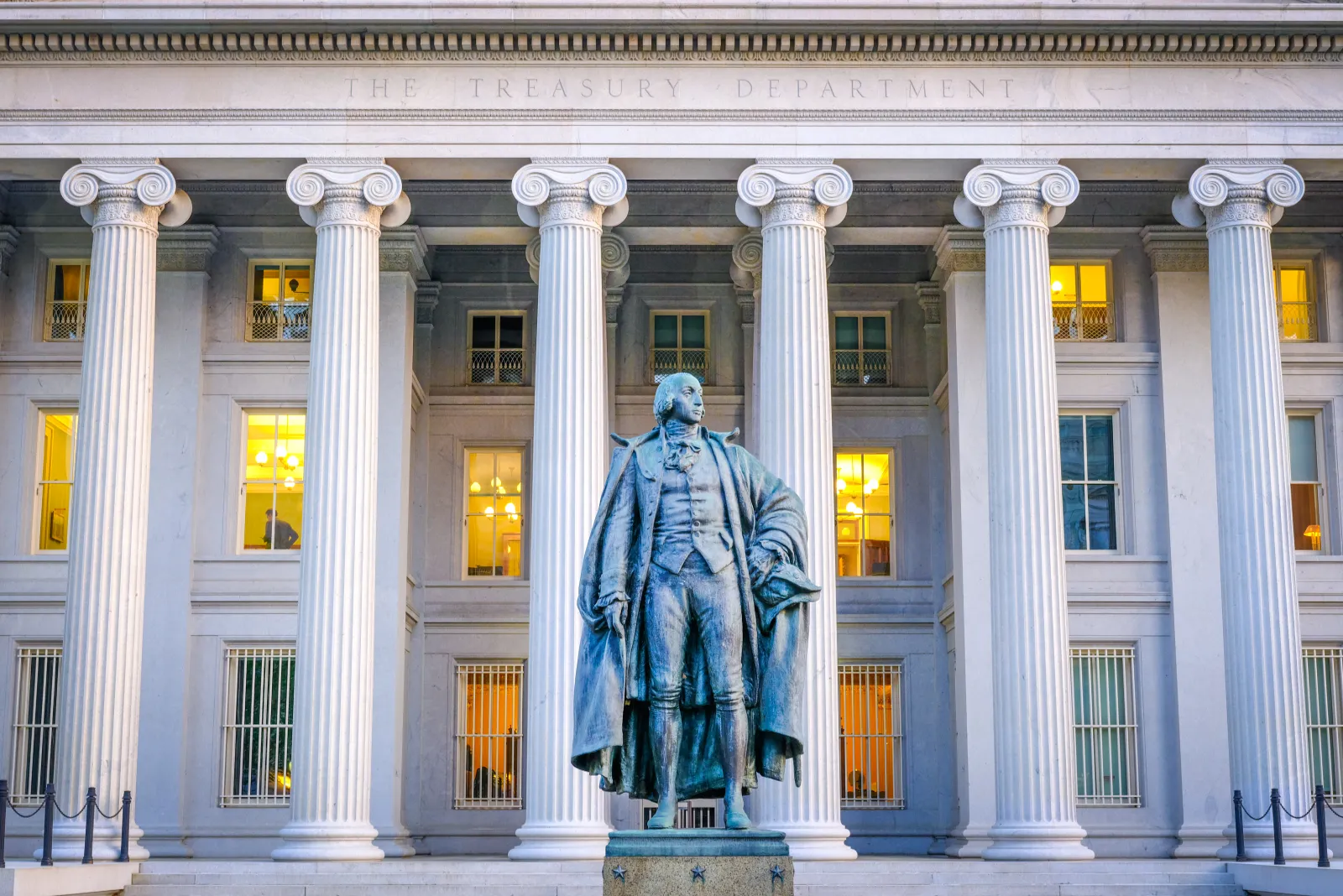
2025年4月24日に撮影された、ワシントンD.C.にある米国財務省本部。 | J. David Ake/Getty Images
何もしないことのリスク
ハーバード大学ケネディ行政大学院の公共政策学教授であるダグラス・エルメンドルフ氏も同様に、「連邦債務がGDPの100%を超えたからといって、債務がGDPの80%や90%を超えた時と同じように、特に異常な事態は起こらないだろう」と述べた。
しかし、超党派の議会予算局(CBO)の元局長であるエルメンドルフ氏は、 ニューズウィーク誌 に対し、債務の増加は政府が「利払いにますます多くの費用を費やしている」ことを意味すると語った。
「そして、貸し手が政府がこれらの支払いを履行できないのではないかと懸念すれば、より高い金利を要求するだろう。そうなれば債務はさらに急速に増加し、住宅ローンから自動車ローンまであらゆる種類の融資コストを押し上げ、国を深刻な 不況へと追い込む可能性のある『財政危機』を引き起こすだろう」と彼は述べた。
一方、経済学者のステファニー・ケルトン氏は、真の制約要因は債務水準ではなくインフレであると述べ、議会予算局(CBO)が発表した予算予測を指摘した。同予測によれば、物価が抑制され、経済がほぼ完全雇用状態であれば、「長期的な債務問題は発生しない」という。
「イラン戦争が始まるずっと前から、彼らの債務比率は急上昇し、インフレ率はFRBの目標である2%に戻り、経済は完全雇用状態にあった。一体何が問題なのか?」
投票するオプションを選択してください。選択 内容はいつでも変更できます。
ケルトン氏の見解では、消費者にとってより大きなリスクとなるのは、債務を高水準に維持することよりも、積極的に債務を削減しようとする努力から生じるだろう。
アメリカの公的債務が経済生産高を上回っているという事実は、差し迫った危機を告げるものではない。持続的な成長と安定したインフレによって、財政不安は無意味ではないにしても、それほど深刻ではないと考える人もいる。
しかし、他の人々にとっては、これは米国が現在辿っている持続不可能な財政状況を浮き彫りにするものであり、議員たちがこの問題を無視するには大きすぎるが、対処するには遠すぎる問題として扱い続けるならば、金利上昇と経済成長の鈍化を招く可能性がある。
America’s Debt Is Now Bigger Than the GDP. Does It Matter? - Newsweek
The United States national debt has now grown beyond the size of the country’s GDP, punctuating a long-running trajectory that has left budget hawks skittish, but Congress appears uninterested in countering.
According to advance estimates released Thursday by the Bureau of Economic Analysis (BEA), America’s gross domestic product (GDP) totaled $31.22 trillion over the 12 months to March 31, now slightly under the $31.27 trillion in debt held by the country at the end of this quarter.
It marks the first crossing of the 100 percent threshold—double the historical average—outside of wartime since shortly after WWII and briefly during the early stages of the COVID-19 pandemic. This has renewed calls from concerned lawmakers and groups for an urgent change in course, as the U.S. continues to run historically large deficits that could soon break the 106 percent record.
“We have now borrowed more money than our economy produces in a year,” Maya MacGuineas, president of the Committee for a Responsible Federal Budget, told Newsweek.
“The debt slows economic growth, pushes up borrowing costs and prices, and leaves us vulnerable to a fiscal crisis in the future,” she said. “There are good milestones, and bad ones, and this is the worst kind there is.”
Why It Matters Now
Experts who spoke with Newsweek say crossing the 100 percent barrier is a symbolic threshold rather than one that triggers any immediate crisis, but one that, to some, underscores the fiscal difficulties associated with ballooning the national debt.
These include rising interest payments, potential erosion of investor confidence and economic growth, and inflation if governments choose to finance debt through monetary expansion. These corrosives would prove particularly acute given today’s elevated interest rates and structural budget difficulties, and may be becoming more so as successive governments fail to pursue the presumably unpopular solutions of spending cuts and tax hikes.
Is Debt a Problem?
Many experts insist that while the national debt creates headaches for the economy, it is far from the crisis fiscal hawks often portray it as, given that the U.S. remains a preeminent superpower and has the economic might to avoid any default-driven catastrophe.
“Debt is neither inherently good nor bad,” economist Claudia Sahm wrote in 2024. “As such, the question is not what’s the right level of borrowing, but rather what’s the economic return on the borrowing or the societal goals it advances.”
Rising interest costs, Sahm said, only prove an issue if an economy fails to grow commensurately, while debt-financed investments in the public good can avert far more immediate economic difficulties.
However, a widely held view among economists and politicians is that the country’s current fiscal path is unsustainable, and surveys show a majority of Americans now consider it a priority issue.
A ‘Completely Arbitrary’ Milestone?
“America just crossed a dangerous milestone: our national debt now exceeds the size of our economy,” former South Carolina Governor and United Nations Ambassador Nikki Haley posted on X on Thursday, adding: “When the bill comes due, expect higher taxes, a weaker dollar, fewer services, a weaker military—and our kids stuck paying for it.”
Others, however, argue that the BEA’s revelation means little besides putting wind in the sails of those who have championed greater fiscal discipline by Washington, and that the "bill" of which Haley warned may never "come due."
“I don’t think this number has any significance at all,” said J. W. Mason, an associate professor of economics at John Jay College, City University of New York.
Mason told Newsweek the 100 percent milestone was “completely arbitrary,” and that there was “no evidence that a country like the United States has any reason to worry about the ratio of debt to GDP.”
“If we look around the world, we can find many countries whose debt ratios are higher than the United States…and not a single one of them has experienced any of the harms this high level of debt is supposed to have caused," he said.
Mason pointed to Japan, whose total government debt has, for over a decade, been double its GDP and where typical warnings about interest rates and currency devaluation have not taken hold.
“Interest rates have been some of the lowest in the world there; High inflation? Japan is struggling with deflation. Are we worried about a collapse in the value of the currency? I think a lot of Japanese manufacturers wish their currency was weaker," he said.
He added that the U.S. will remain able to pay interest on the debt by “borrowing more debt” indefinitely, and that warnings over imminent risks often double as cover for pro-austerity agendas.
The U.S. Treasury Department headquarters in Washington, D.C., photographed on April 24, 2025. | J. David Ake/Getty Images
The Risks of Doing Nothing
Douglas Elmendorf, professor of public policy at Harvard University's Kennedy School of Government, similarly said that “nothing unusual will happen just because federal debt is passing 100 percent of GDP, any more than happened when debt passed 80 or 90 percent of GDP.”
However, Elmendorf, the former director of the nonpartisan Congressional Budget Office (CBO), told Newsweek that rising debt means that the government “is spending ever more on interest payments.”
“And if lenders worry that the government won’t meet those payments, they will demand higher interest rates, which would make debt rise even faster,” he said, creating a “fiscal crisis” which could push up the costs of every type of lending from mortgages to car loans while driving the nation toward a “deep recession.”
Economist Stephanie Kelton, meanwhile, said that the true constraint is inflation rather than debt levels, pointing to budget forecasts issued by the CBO, which she said showed that if prices are controlled and the economy is running near full employment, “then you don’t have a long-term debt problem.”
“Long before the war in Iran, they had the debt ratio exploding higher with inflation returning to the Fed’s two-percent target and the economy running at full employment. So where’s the problem?”
Select an option to vote. You can change it anytime.
In Kelton's view, the greater risk to consumers would come from efforts to aggressively reduce the debt rather than from allowing it to remain high.
The fact that America’s publicly held debt now exceeds economic output does not herald an imminent crisis, some seeing sustained growth and stable inflation as rendering fiscal anxieties less alarming, if not meaningless.
But to others, this highlights the unsustainable fiscal path the U.S. is now on, one which could mean higher interest rates and slower growth if lawmakers continue treating it as a problem too large to ignore but too distant to confront.


0 件のコメント:
コメントを投稿